Style isn’t about owning more clothes. It’s about knowing what to do with the ones already hanging in your wardrobe. Most women don’t lack options—they lack clarity. That’s where Best Style Ideas for Modern Women Fashion actually matter, because real style lives in decisions, not shopping bags.
You’ve probably stood in front of a full closet and still felt like you had nothing to wear. That frustration isn’t random. It comes from mismatched pieces, unclear direction, and trying to copy trends that don’t fit your life. Fashion isn’t meant to feel like a puzzle you can’t solve. It should feel like a language you speak without thinking.
Modern style has shifted. It’s less about chasing trends and more about building a look that works across seasons, moods, and moments. You need outfits that survive busy mornings, unexpected plans, and changing weather without falling apart halfway through the day.
This isn’t about rules. It’s about patterns that actually work. Once you see them, you won’t unsee them—and your wardrobe will finally make sense.
Build a Core Wardrobe That Works Year-Round
Most people chase new outfits instead of fixing their foundation. That’s why nothing feels consistent.
A strong wardrobe starts with pieces that don’t argue with each other. Think of items that can move between seasons without looking out of place. A neutral blazer, a well-fitted pair of jeans, a clean white shirt—these aren’t boring, they’re reliable.
I learned this the hard way after buying trendy pieces that only worked once. They looked great in photos but failed in real life. That’s the gap most people ignore.
You want clothing that adapts. For example, a midi dress can shift from summer to winter with a jacket and boots. One piece, multiple roles. That’s efficiency.
Here’s what makes a core wardrobe actually work:
- Neutral tones that mix easily
- Clean fits that don’t depend on trends
- Layers that add flexibility
- Shoes that match multiple outfits
A strong base reduces stress. You stop guessing and start choosing.
And once your foundation is solid, everything else becomes easier. That’s when style stops feeling like effort.
Master Layering Without Looking Bulky
Layering sounds simple until you try it and end up looking heavier than you are. The problem isn’t layering—it’s how it’s done.
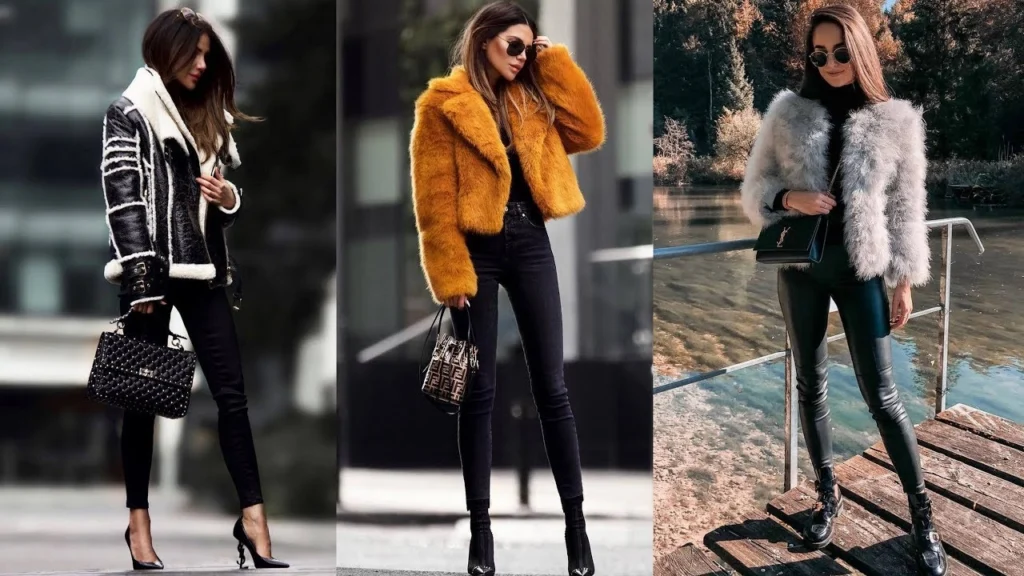
Good layering creates shape, not confusion. You want contrast in texture and weight. A light inner layer, a structured middle, and a defined outer piece. That order matters more than most people think.
I’ve seen outfits fall apart because everything had the same thickness. No depth. Just fabric stacked on fabric.
Instead, try this approach:
- Start with a fitted base
- Add a slightly loose second layer
- Finish with structure, like a coat or jacket
A real-world example? A slim turtleneck under a loose shirt with a tailored coat. It creates movement without chaos.
And here’s the part people overlook—color balance. Too many heavy tones together can drag the entire look down. Mix light and dark intentionally.
Layering isn’t about staying warm. It’s about building dimension.
Once you understand that, your outfits start to look styled instead of accidental.
Use Seasonal Colors Without Losing Your Identity
Trends change colors every few months. Your identity shouldn’t change with them.
Seasonal palettes exist for a reason, but blindly following them often creates outfits that feel borrowed. You don’t need to wear every trending color to stay current.
Instead, blend trends into your existing style. That’s where seasonal outfit tips actually make sense.
For example, if earthy tones dominate fall, you don’t need a full wardrobe swap. Add one or two pieces—maybe a rust scarf or olive jacket—and anchor them with your usual basics.
I once bought a full set of bright summer colors because they were trending. I wore them twice. They didn’t feel like me.
That’s the lesson. Trends should support your style, not replace it.
Here’s how to handle seasonal colors better:
- Keep your base neutral
- Introduce color through accessories
- Stick to shades that suit your skin tone
- Limit trend pieces to avoid clutter
Color should feel natural. If it feels forced, it probably is.
And when your style feels consistent, people notice—even if they can’t explain why.
Focus on Fit Before Fashion Trends
You can wear the most stylish piece in the world and still look off if the fit is wrong. Fit isn’t optional—it’s everything.
Clothes should follow your body, not fight it. Too tight looks uncomfortable. Too loose looks careless. The balance sits right in the middle.
I’ve seen simple outfits outperform expensive ones just because the fit was right. That’s not luck. That’s understanding proportions.
A real example: a basic t-shirt tucked properly into high-waisted jeans can look sharper than a designer outfit worn poorly.
Here’s what actually improves fit:
- Tailoring key pieces
- Understanding your body shape
- Choosing the right size, not the “ideal” size
- Adjusting lengths—especially sleeves and hems
One small fix can change everything.
And here’s a truth people avoid—fashion trends don’t care about your body. You have to make them work for you.
When fit becomes your priority, your entire style shifts. Suddenly, even simple outfits look intentional.
Accessorize With Purpose, Not Excess
Accessories can either complete your outfit or ruin it. There’s rarely a middle ground.
The mistake most people make? Adding too much. They treat accessories like decoration instead of strategy.
A strong outfit doesn’t need five extras. It needs one or two that actually matter.
I remember stacking bracelets, necklaces, and rings all at once. It didn’t look stylish—it looked noisy.
Now I follow a simple rule: highlight one area at a time.
- Statement earrings? Keep the neckline clean
- Bold bag? Tone down everything else
- Layered necklaces? Skip heavy earrings
Accessories should guide attention, not scatter it.
Another overlooked detail—quality over quantity. A single well-made piece always beats five average ones.
And here’s the shift—when you start choosing accessories with intention, your outfit feels finished, not overloaded.
That’s the difference between dressing up and dressing well.
Conclusion
Style isn’t something you find—it’s something you build over time. And once you understand the patterns behind Best Style Ideas for Modern Women Fashion, everything starts to click.
You stop chasing trends. You stop second-guessing outfits. You start trusting your choices.
The real power of style sits in consistency. Not repeating outfits, but repeating good decisions. That’s what creates a recognizable look without trying too hard.
Here’s the part most people miss—fashion doesn’t need to be complicated to be effective. The simplest outfits often carry the strongest impact when they’re done right.
So don’t wait for the perfect wardrobe. Start with what you have. Adjust, refine, and experiment with purpose.
Your next step is simple: pick one idea from this guide and apply it today. Not tomorrow. Not next week.
Because style doesn’t improve through reading. It improves through action.
FAQs
What are the best style ideas for modern women fashion beginners?
Start with basics that fit well and match easily. Focus on neutral colors, simple layers, and minimal accessories. You don’t need trends yet—just consistency.
How can I improve my outfit style without buying new clothes?
Rework what you already own by mixing pieces differently. Try layering, tucking, or pairing items you haven’t combined before. Small changes create fresh looks.
Which seasonal outfit tips actually work all year?
Layering and neutral bases always work. Add seasonal touches through accessories or colors instead of replacing your entire wardrobe every few months.
How do I find my personal fashion style?
Pay attention to what you wear repeatedly. Your habits reveal your style more than trends. Build around what feels natural, not what looks popular online.
Why do my outfits look good on others but not on me?
Fit and body shape play a big role. What works on someone else may not match your proportions. Adjust sizing and styling to suit your own structure.
What are common mistakes in modern women fashion?
Over-accessorizing, ignoring fit, and copying trends blindly are the biggest issues. These mistakes make outfits look forced instead of effortless.
How many accessories should I wear at once?
Limit yourself to one or two standout pieces. Too many accessories compete for attention and weaken the overall look instead of improving it.
Can I follow trends and still have a personal style?
Yes, but use trends as accents, not the foundation. Keep your base consistent and introduce trends in small, controlled ways.
What colors should I wear for every season?
Neutral tones like black, white, beige, and denim work year-round. Add seasonal colors through layers or accessories to keep things fresh.
How important is tailoring in fashion?
Tailoring can completely change how an outfit looks. Even small adjustments make clothes appear more polished and intentional.
What’s the easiest way to upgrade my daily outfits?
Focus on fit and layering. Even basic clothes look better when they sit properly and have depth through layers.
How do I build confidence in my style choices?
Wear outfits that feel comfortable and natural. Confidence grows when you stop seeking approval and start trusting your own taste.