Style is not a money issue. It is a judgment issue. Most women do not have a clothing problem at all; they have a decision problem. Closets get crowded, mornings get chaotic, and outfits still feel flat. That is why proven style ideas matter more than random trend chasing. They give you a filter, and a good filter saves you from wasting cash on clothes that look exciting on a hanger and disappointing on your body.
I learned this the hard way after buying pieces I admired but never reached for. A sharp jacket with itchy fabric. Heels that looked brave and felt cruel. A dress that wanted a different life than the one I was actually living. Style got easier the moment I stopped dressing for fantasy and started dressing with intention.
You do not need more clothes to look better. You need better outfit math. Shape, fabric, scale, contrast, and a little honesty do more than endless scrolling ever will. Even the broader fashion conversation on Vogue keeps circling back to personal taste over blind trend obedience, which tells you something useful about what lasts.
Build Your Look Around Shape, Not Shopping
A good outfit starts with line before it starts with color. That sounds picky until you see how much easier dressing gets once you notice proportion. A boxy jacket with slim trousers creates intention. A soft knit with a straight skirt creates ease. The point is not balance in some stiff textbook sense. The point is that your clothes should speak to each other before they speak to the room.
Most shopping mistakes happen because women chase an item instead of a silhouette. You see wide-leg pants on someone five inches taller, buy them, then wonder why they drag your whole body downward. The pants were not wrong. The proportion was. That is the difference.
I once watched a friend fix her entire work wardrobe by changing only one thing: jacket length. She stopped buying cropped blazers that cut her at the widest part of her frame and switched to styles that hit just below the hip. Same budget. Same stores. Far better result.
This is where taste gets practical. Stand in front of a mirror and stop asking whether a piece is pretty. Ask whether it lengthens, sharpens, softens, or crowds you. That single shift saves time and money.
And yes, the quiet magic of modern women fashion often comes down to proportion, not decoration. When shape works, even simple clothes look expensive. When shape fails, no accessory can rescue the mess.
Choose Fewer Pieces and Wear Them Harder
A crowded wardrobe can hide a weak one. Women often think more options will create more style, but the opposite happens. Too many average pieces make every morning harder because nothing has authority. The strongest closets usually look a little boring on the rail. Then they come alive on the body.
That means you need repeat offenders. A coat you trust. Trousers that behave. A shirt that holds its shape by noon. These are not boring basics. They are the adults in the room. They carry the louder pieces without getting needy about it.
Vogue’s recent coverage of wardrobe essentials makes the same point in a polished way: the pieces people return to season after season are usually the ones doing the real work. That rings true because style is built in repetition. A woman who knows what she wears well looks more convincing than a woman trying on a new personality every Friday.
I tell women to build a ruthless little uniform before they build anything else. Maybe yours is a crisp shirt, straight jeans, gold hoops, and a strong flat shoe. Maybe it is a column dress with a cardigan and a belt. Whatever it is, repeat it enough to understand it.
That is when style stops being performance and starts becoming identity. Fewer pieces. Better instincts. Much less panic.
Use Contrast to Make Plain Outfits Look Alive
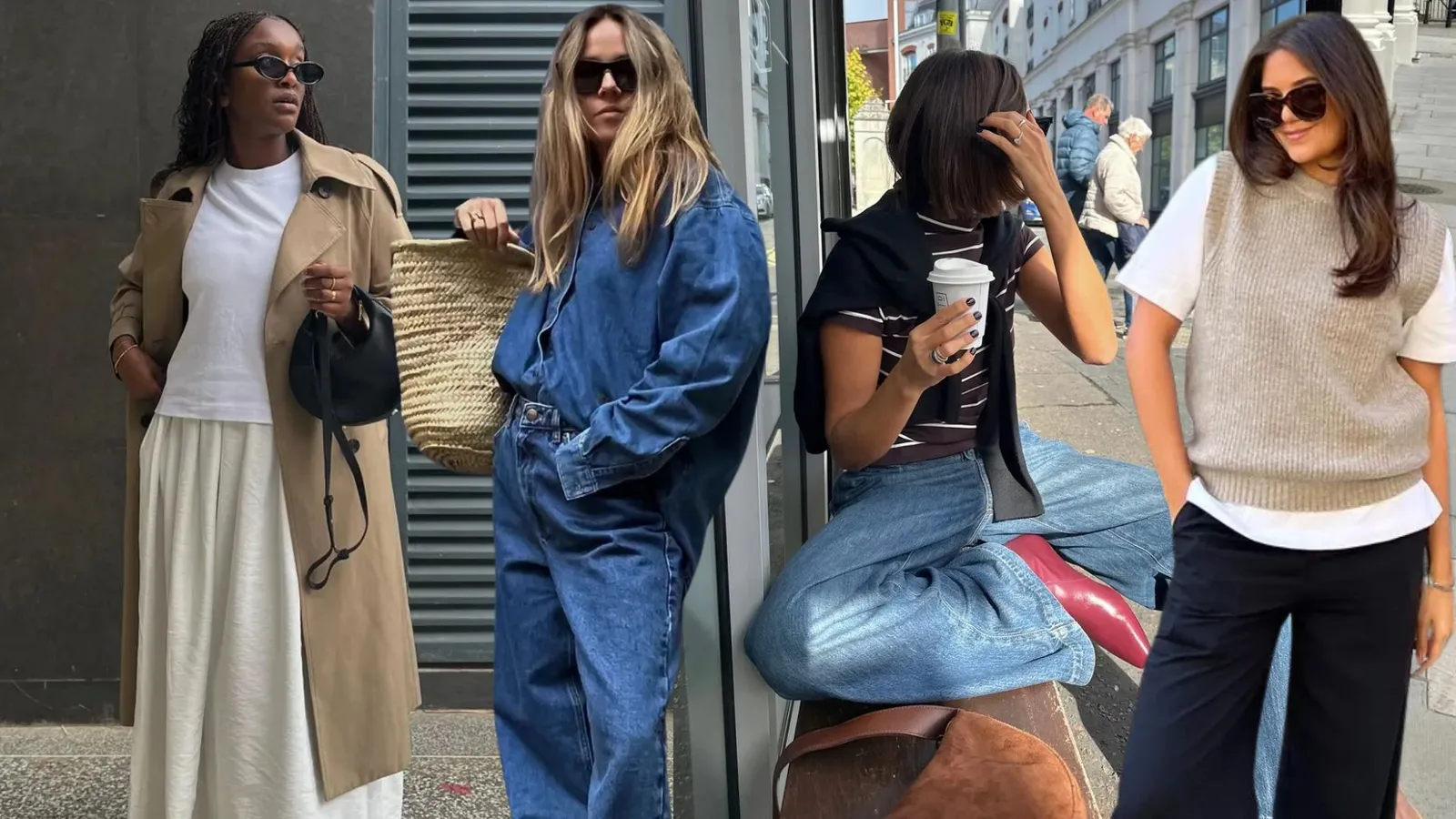
Flat outfits usually fail for one reason: everything agrees too politely. Same texture, same mood, same visual weight. You end up looking tidy but forgettable. Contrast fixes that. A sharp loafer against soft denim. A masculine coat over a feminine skirt. A matte knit beside a glossy bag. Suddenly the outfit has tension, and tension is what makes people look twice.
This does not mean dressing like a street-style stunt. Calm down. It means giving the eye somewhere to travel. If your outfit is all gentle, add structure. If it is all structure, add drape. If everything feels serious, put in one playful note and stop there.
One of the cleanest examples is the current love for minimalist pieces with stronger shape or texture. Vogue described minimalist dressing as a matter of silhouette, texture, and proportion rather than plainness for its own sake, and that is exactly right. Minimal does not mean dull. It means selective.
I saw this work beautifully on a woman at a café wearing nothing dramatic at all: navy sweater, ivory trousers, black sandals, red lipstick. That lipstick turned the whole look from sensible to sharp. Tiny change. Big effect.
You do not need louder clothes. You need contrast with purpose. The best outfits whisper first, then hold attention.
Proven Style Ideas That Fix Everyday Wardrobe Panic
Morning wardrobe panic is rarely about time. It is about uncertainty. You own pieces, but you do not know how to combine them under pressure. That is why the smartest women rely on formulas. Not rigid rules. Formulas. They remove friction without killing personality.
Here are four that work in real life:
- fitted top with wider bottom
- long layer over clean column outfit
- simple base with one statement accessory
- relaxed tailoring with polished flat shoes
These combinations work because they solve common problems fast. They create shape, rhythm, and finish before your brain has time to spiral. You are not guessing. You are choosing from a tested set.
A lawyer I know keeps three formulas on her phone for court weeks, travel days, and dinners. That sounds almost too practical until you realize how much energy it saves. She still looks elegant. She just does not improvise badly at 7:10 a.m.
This is where proven style ideas earn their keep. They do not just help you look better in theory. They make daily life smoother. That matters more than any trend report.
Once you build a few reliable formulas, your wardrobe stops bossing you around. You get dressed, leave the house, and think about bigger things.
Dress for the Life You Actually Live
Fantasy dressing wastes more money than bad tailoring. Women buy for future dinners, imaginary vacations, and versions of themselves who attend gallery openings every Thursday. Meanwhile, the real life in front of them needs clothes for school runs, office days, quick lunches, long commutes, and those odd in-between hours when you want comfort without looking half asleep.
A strong wardrobe respects your calendar. That sounds obvious, yet plenty of women ignore it. They keep shopping for drama when what they need is stamina. The right shoe for your actual day beats the wrong shoe for your aspirational mood. Every time.
This is also where modern women fashion gets interesting. The best dressed women right now often look less costume-like and more exact. They know how to mix ease with polish. Office wear has relaxed in many places, but that does not excuse sloppiness; it simply rewards women who can dress with more intelligence. Vogue’s office style coverage reflects that shift well.
I have more respect for a woman in clean trousers, a knit, and a serious tote than one stuffed into a complicated outfit she cannot walk in. One look shows judgment. The other shows effort. Those are not the same thing.
Dress for your real life first. Then add beauty. That order changes everything.
Conclusion
Style gets better when you stop treating it like a mood and start treating it like a skill. That does not make it cold. It makes it reliable. You learn what flatters your shape, which pieces carry your week, how contrast wakes up simple outfits, and why dressing for your real life beats dressing for a fantasy version of yourself. That is how confidence grows—quietly, then all at once.
The women with the strongest personal style usually are not the women buying the most. They are the women paying attention. They know when to edit, when to repeat, and when to leave an outfit alone. Restraint is underrated. So is self-knowledge.
That is why proven style ideas matter. They help you build taste you can actually use, not just admire from a screen. Once you understand your own patterns, getting dressed stops feeling random and starts feeling sharp, calm, and even fun again.
Do one useful thing next: pick three outfits you already own, improve each with one smarter choice, and wear them this week. Small edits teach better style faster than another shopping spree ever will.
How can women improve personal style without buying new clothes?
You improve faster by restyling what you already own. Try better proportions, stronger shoes, cleaner layering, and fewer accessories before you spend another cent.
What are the best style ideas for modern women fashion right now?
The best ideas are the ones that mix ease with structure. Think relaxed tailoring, strong flats, clean denim, column dressing, and pieces you can repeat without boredom.
How do I find clothes that flatter my body shape?
Start with line and proportion, not size labels. Notice where hems hit, where waistlines sit, and whether the outfit lengthens you or cuts you in half.
Why do some outfits look expensive even when they are simple?
They usually have three things working together: proper fit, controlled color, and visual contrast. Simplicity looks rich when every piece knows its job.
How can I dress stylishly for work without looking overdressed?
Pick clean shapes and polished fabrics, then keep the extras restrained. A strong blazer, smart trousers, and good shoes beat loud details nearly every time.
What wardrobe staples should every fashion-loving woman own?
You need a reliable jacket, great trousers, clean denim, a crisp shirt, versatile knitwear, and shoes you can actually wear for hours without regret.
How do I create better outfits when I am short on time?
Use outfit formulas instead of improvising. Keep three to five combinations ready for work, weekends, and dinners so rushed mornings do less damage.
Can minimalist dressing still look feminine and interesting?
Yes, easily. Feminine style does not need ruffles and fuss. It can come through shape, movement, jewelry, color choice, or one softer detail.
How do I stop buying trendy clothes I never wear?
Pause before buying and ask one hard question: where will I wear this within ten days? If you cannot answer clearly, leave it behind.
What shoes make outfits look more polished instantly?
Loafers, sleek boots, clean sandals, and pointed flats all do the job well. The key is shape, condition, and confidence, not flashy decoration.
How often should I update my wardrobe to stay stylish?
You do not need constant updates. Review it each season, replace weak links, and add only pieces that solve a real gap.
What is the biggest mistake women make with style?
They dress for a version of life they do not live. Once you dress for your real body, real week, and real taste, everything sharpens.