Style does not usually fall apart because your closet is too small. It falls apart because your choices get noisy. You buy one thing for a mood, another for a sale, and a third because someone online made it look easy. Then Monday arrives, and nothing wants to work together. That is why smart fashion tips matter more than trend chasing. They save time, money, and a weird amount of morning frustration.
The women who look consistently polished are rarely doing the most. They are editing hard. They know which shapes flatter them, which fabrics behave all day, and which outfits survive real life instead of only surviving mirrors. That difference is everything.
You do not need a fresh haul every month. You need cleaner decisions. A jacket that sits right on your shoulders beats a stack of “almost right” layers. A shoe you can actually walk in beats a dramatic pair that punishes you by noon. Real style starts when your wardrobe stops arguing with your life.
For a little extra inspiration on runway and street styling, browse Vogue fashion once in a while, then come back to your own closet and keep only what makes sense for you.
Build Around Repeatable Outfit Formulas
Great daily dressing starts with a formula, not a fantasy. The biggest mistake I see is people trying to reinvent themselves before coffee. That is how you end up late, annoyed, and wearing something that looked better on the chair than it does on your body.
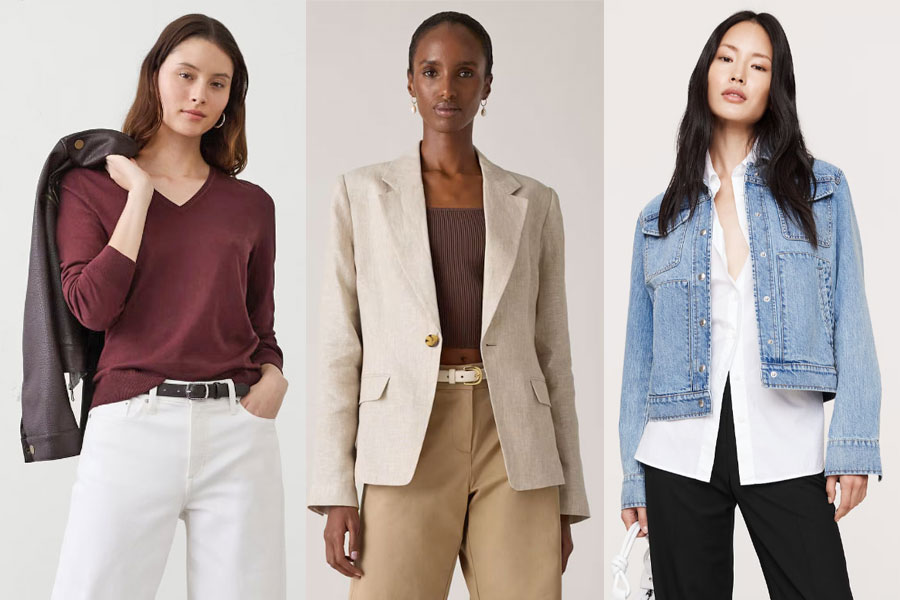
A formula gives you a base you can trust. Think straight-leg trousers, fitted knit, structured outer layer, clean shoes. Or denim, crisp shirt, belt, low heel. Simple, but not sleepy. The point is not to copy a uniform. The point is to remove panic from the process.
This works because your brain gets tired faster than your closet does. Decision fatigue is real. When you already know three outfit combinations that flatter you, you stop treating every morning like a costume audition. You get dressed faster, and you look calmer. People notice calm.
A friend of mine who works in media cut her wardrobe drama in half by using only four weekday formulas. She did not dress boring. She dressed clear. Her clothes finally supported her instead of begging for attention.
Once you lock in a formula, style gets lighter on your shoulders. That opens the door to better choices in fabric, fit, and detail, which is where daily style actually earns its keep.
Stop Buying for Your Best Day and Dress for Your Real One
Most closets are full of ambition. Very few are built for Tuesday. That mismatch causes more bad outfits than bad taste ever could. You do not need clothes for an imaginary brunch-filled life if your actual week involves commuting, long desk hours, quick errands, and one dinner you almost cancel.
The fix is not glamorous, but it works. Buy for frequency. Ask what you wear twice a week, not what you wish you wore twice a year. When your wardrobe matches your rhythm, it starts behaving like a tool instead of a museum of good intentions.
Fabric matters here more than people admit. A blouse that wrinkles during the ride to work is not elegant. It is needy. Trousers that stretch at the knees by lunch are not versatile. They are weak. Choose pieces that survive movement, weather, sitting, walking, and repeat wear without becoming sad by afternoon.
That does not mean everything should feel plain. It means the beauty should hold up under pressure. A cotton poplin shirt, polished loafers, and a longline blazer can do more for you than a closet full of dramatic one-hit wonders.
This is where daily style stops being a mood and becomes a habit. Dress for the life you have, and suddenly your wardrobe starts looking much more expensive than it is.
Fit Is the Quiet Difference Between Fine and Sharp
Nothing rescues a bad fit. Not a fancy label, not a trendy color, not good lighting. If the cut fights your body, the outfit loses before the accessories even enter the room. Harsh, yes. Also true.
Most people focus on size because it feels measurable. Fit is more honest. It asks where the shoulder seam lands, whether the waist sits where your waist actually is, and whether the hem works with your shoes instead of against them. Those details sound small until they fix everything.
The easiest upgrade in women’s fashion is tailoring the pieces you already wear often. Hem the trousers. Shorten the sleeves. Shape the blazer slightly at the waist. I have seen a decent forty-dollar pair of pants look richer than a designer pair simply because one was altered and the other was not.
There is also a counterintuitive truth here: slightly looser is often more flattering than slightly tighter. Clothes need space to move with you. When an outfit grips every line of your body, it rarely reads confident. It reads uncomfortable. And uncomfortable always shows.
If your wardrobe feels off but you cannot explain why, start with fit before you blame your taste. Taste is usually innocent. Bad proportions are the real troublemakers, and they tend to hide in plain sight.
Use Contrast to Make Simple Clothes Look Intentional
The easiest way to make an ordinary outfit feel considered is contrast. Not chaos. Contrast. That means mixing elements that sharpen each other: soft with structured, relaxed with polished, matte with shine, classic with a slightly unexpected edge.
A plain white tee becomes far better under a tailored vest. Wide-leg trousers gain purpose with a fitted ribbed top. A feminine dress stops feeling sugary when paired with a strong leather belt and clean flats. The tension creates interest. Without tension, many outfits just sit there.
This matters because effortless style is rarely accidental. It often looks relaxed only because the contrast has already done the heavy lifting in the background. You are not piling on details. You are arranging balance.
One of the best examples is the woman who wears simple blue jeans, a black knit, gold earrings, and sleek pointed flats. Nothing about that outfit screams for applause. Still, it works because every element has a role. The denim keeps it grounded. The earrings add light. The shoe adds shape. Done.
That is the part many people miss. You do not need more ingredients. You need better contrast between the ones you already trust. When the tension is right, the outfit starts speaking in a lower voice. That is usually the voice people remember.
Accessories Should Finish the Outfit, Not Beg to Be the Plot
A strong outfit does not need rescuing. It needs finishing. Accessories work best when they tighten the message instead of changing it halfway through. Yet plenty of good looks get ruined by panic earrings, random bags, or shoes chosen for drama instead of logic.
Start with function, then sharpen for style. If you carry your bag every day, it should fit your real essentials and still hold its shape. If you wear jewelry daily, pick pieces that survive repetition without becoming wallpaper. If your shoes look stunning but make you walk like you are negotiating a hostage release, retire them from weekday duty.
Restraint wins more often than excess. One sculptural cuff can do more than six tiny bracelets. A clean watch can look smarter than a wrist full of sparkle. Even sunglasses can change the whole tone of an outfit when the frame suits your face instead of following whatever trend is yelling loudest.
This is also where personal signature starts showing up. Maybe it is a deep burgundy bag, a stack of thin rings, or silk scarves tied on plain shirts. Small things, repeated with confidence, create recognition. People start associating that detail with you.
That is the sweet spot. Your accessories should not interrupt your clothes. They should make the whole look feel complete, like the final line in a sharp conversation.
Dress Like the Future Version of You Already Has Better Standards
The real shift in style happens when you stop asking, “Does this look good enough?” and start asking, “Does this fit the standard I want my life to reflect?” That single change tightens everything. You buy less nonsense. You repeat better outfits. You stop giving hanger space to clothes that waste your time.
The best wardrobes are not built through constant shopping. They are built through selective loyalty. You find the cuts that serve you, the colors that wake up your face, and the textures that hold their nerve through a full day. Then you build from there with patience. Not boredom. Precision.
This approach also protects you from trend exhaustion. Fashion will keep spinning because fashion loves drama. You do not have to spin with it. You can borrow what suits you, skip what does not, and keep your identity intact. That is not old-fashioned. That is disciplined.
The women with the strongest presence usually dress with clarity before they dress with flair. They know who they are dressing for. It is not the algorithm. It is not strangers. It is the life they are building.
Use these smart fashion tips as a filter, not a script. Audit your closet this week. Remove what keeps failing you. Keep what earns its place. Then build your next outfit like someone who expects more from her wardrobe and from herself.
What are the best smart fashion tips for everyday outfits?
The best ones help you repeat success. Build three or four reliable outfit formulas, focus on fit, and stop buying pieces that only work in theory.
How can I make simple clothes look more stylish every day?
You make simple clothes look sharper through contrast, fit, and finishing details. A plain outfit gets stronger when one element adds structure, texture, or shape.
How do I find my personal style without copying trends?
You find it by noticing what you wear often, what flatters your frame, and what feels natural on your busiest days. Trends can visit, but they should not move in.
What clothes should every woman own for effortless daily style?
You need pieces that mix easily and survive real life: clean denim, tailored trousers, a crisp shirt, dependable flats, a solid blazer, and knitwear that keeps its shape.
Why do my outfits look good in theory but not in real life?
They usually fail because the fit is off, the fabric behaves badly, or the pieces suit a mood instead of your actual routine. Real life exposes weak outfit decisions fast.
How can I dress better without buying a whole new wardrobe?
Start by editing, not shopping. Tailor what deserves saving, remove what keeps disappointing you, and build new outfits from the strongest pieces already sitting in your closet.
What is the biggest mistake women make with daily fashion?
The biggest mistake is buying for fantasy instead of frequency. Clothes should support your real schedule first, not the version of your life that appears twice a season.
How important is tailoring for modern women fashion?
It matters more than most people think. Tailoring fixes proportion, sharpens shape, and makes average clothes look chosen on purpose instead of grabbed in a rush.
How do accessories improve an effortless style look?
Accessories finish the sentence. A strong bag, clean shoe, or signature piece of jewelry gives the outfit direction without turning the whole look into noise.
Can I look polished with flats and casual clothes?
Yes, easily. Polish comes from shape, condition, and coordination, not heel height. Clean flats, structured layers, and well-cut basics can look far smarter than forced glamour.
How do I build a wardrobe that saves time in the morning?
Build around repeatable formulas and colors that mix well. When most of your closet works together, getting dressed becomes faster, easier, and much less irritating.
What is the smartest first step to improve my style this week?
Photograph five outfits you already feel good in. Study the pattern. That will show you your strongest silhouettes, best shoes, and the pieces worth wearing more often.