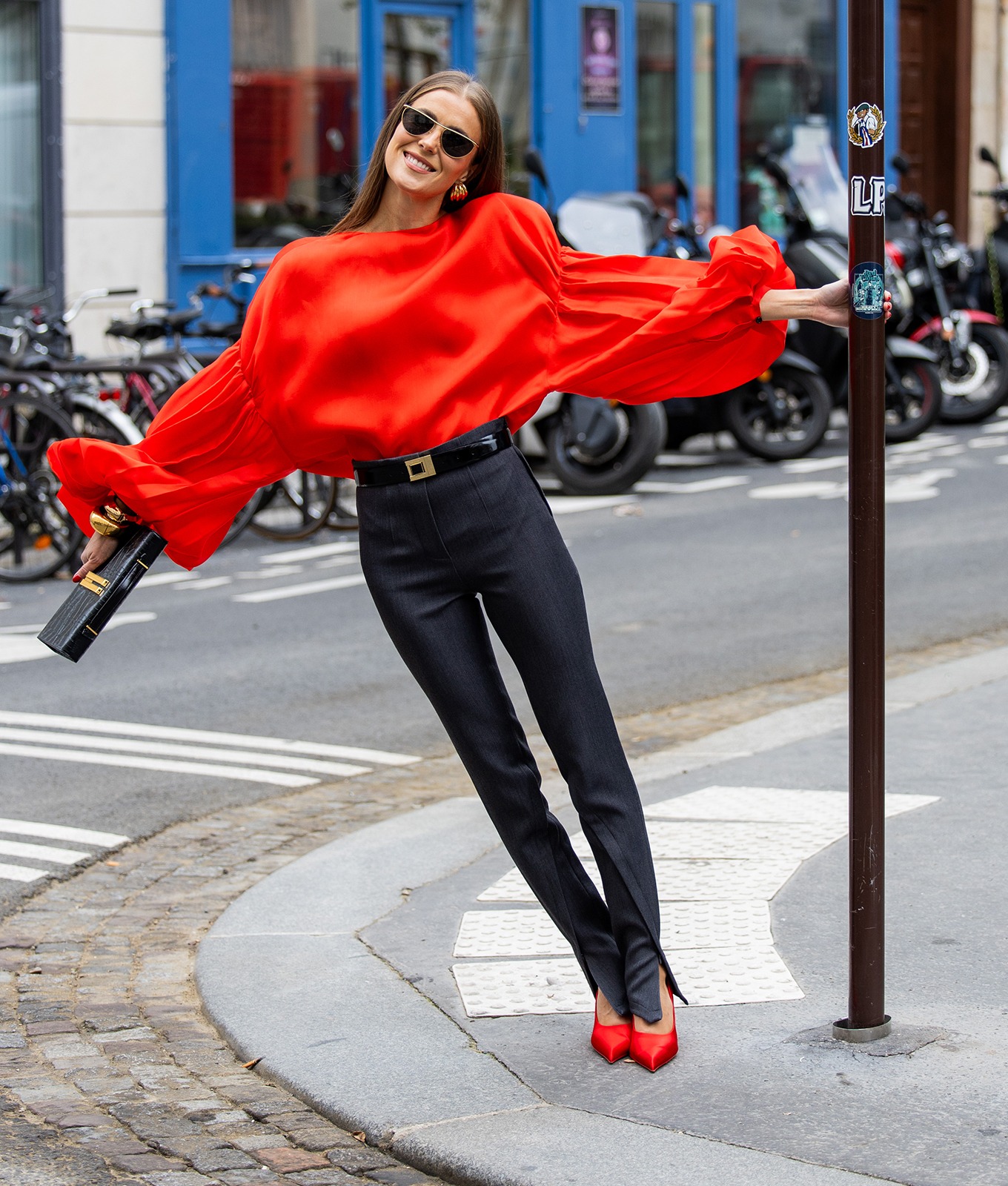
Style is not about having a closet full of clothes—it’s about knowing what actually works for you. Most women don’t struggle with buying outfits; they struggle with putting them together in a way that feels effortless. That’s where best fashion tips for women everyday style truly matter. It’s not about trends shouting for attention. It’s about quiet confidence that shows up before you even say a word.
I’ve seen people wear expensive pieces and still look uncomfortable. Then I’ve seen someone in a simple outfit turn heads because everything just made sense. That difference isn’t luck. It’s understanding your body, your rhythm, and your daily life. Style should never feel like a costume. It should feel like you—just a sharper version.
This guide doesn’t hand you rules you can’t follow. It gives you direction you can actually use. From building a reliable wardrobe to making small choices that change everything, you’ll find practical ideas you can carry into your everyday routine without stress or overthinking.
Build a Wardrobe That Works Every Day
Clothing becomes powerful when it solves problems instead of creating them. A wardrobe filled with random pieces often leaves you standing in front of your closet with nothing to wear. That frustration usually comes from lack of direction, not lack of clothes.
Start by focusing on pieces that repeat well. Neutral tops, fitted jeans, clean trousers, and versatile dresses do more for your style than ten trendy outfits you wear once. The idea is simple: every item should match at least three others. If it doesn’t, it doesn’t belong.
I once worked with a woman who owned over fifty outfits but still wore the same two combinations every week. We stripped her closet down to essentials, and suddenly getting dressed became easy. Less clutter created more options.
Fit matters more than brand names. A basic shirt tailored to your shape beats a designer piece that hangs awkwardly. Pay attention to shoulder seams, waist lines, and length. These small details carry the entire look.
Consistency is where confidence grows. When your wardrobe works with you, not against you, mornings stop feeling like a battle.
Understand Your Body and Dress With Intention
Style starts with honesty. You don’t need a “perfect” body—you need awareness. Once you understand your shape, you stop chasing trends that were never meant for you in the first place.
Different cuts create different effects. High-waisted bottoms can define your waist, while structured blazers sharpen your silhouette. Loose clothing can look relaxed or sloppy depending on how you balance it. The trick lies in contrast. If one piece flows, another should hold shape.
A friend of mine insisted on wearing oversized everything because it felt comfortable. The result? She looked smaller and less confident than she actually was. We added structure to her outfits—suddenly, her presence changed without changing her comfort level.
You don’t need to follow strict body-type rules. Instead, notice what makes you stand straighter, walk smoother, and feel more like yourself. That’s your guide.
Confidence doesn’t come from hiding your body. It comes from working with it instead of against it.
Master the Power of Simple Styling Details
Details decide everything. Two identical outfits can look completely different based on how they’re styled. This is where everyday fashion quietly becomes impressive.
Start with accessories, but don’t overdo them. A clean watch, a subtle necklace, or a structured bag can finish an outfit without overwhelming it. Too many additions create noise.
Shoes often carry more weight than people realize. A pair of clean white sneakers can make a casual outfit feel fresh, while heels instantly shift the tone toward polished. Choosing the right footwear is not extra effort—it’s smart styling.
Even small actions matter. Tucking in a shirt, rolling sleeves slightly, or adjusting the length of pants can transform the overall look. These moves take seconds but change perception completely.
Color coordination also plays a role. You don’t need bold combinations every day. Sometimes sticking to two or three colors creates a stronger visual impact than trying too hard.
If you want deeper insight into how small choices shape your look, this helpful resource on everyday fashion styling basics offers useful perspective.
Style isn’t about doing more. It’s about doing the right things with intention.
Balance Comfort and Style Without Compromise
Comfort has taken over fashion in recent years, and honestly, that’s not a bad thing. But comfort without structure can quickly look careless. The goal is balance, not extremes.
Think about fabrics first. Soft materials feel great, but they should still hold shape. A loose cotton outfit can look elegant if it fits properly. The same outfit in poor shape looks unfinished.
I’ve seen people wear joggers and still look sharp. The difference? Clean lines, fitted cuts, and proper pairing. Add a structured jacket or sleek shoes, and suddenly casual becomes stylish.
Your lifestyle matters here. If you’re constantly moving, your clothes should support that without losing form. That doesn’t mean sacrificing appearance—it means choosing smarter options.
The truth is simple. If you feel uncomfortable, it shows. If you feel too relaxed, it shows too. The sweet spot is where you feel ready for anything without thinking about your outfit all day.
Develop a Personal Style That Evolves With You
Trends come and go, but your style should stay grounded in who you are. Chasing every trend often leads to confusion rather than clarity.
Start by noticing patterns in what you already like. Do you lean toward minimal looks or bold pieces? Do you prefer soft tones or strong contrasts? These answers shape your identity more than any fashion rule ever will.
One of the best shifts I’ve seen is when someone stops asking, “Is this in fashion?” and starts asking, “Does this feel like me?” That single change builds a stronger presence than copying anyone else.
Style also changes as life changes. What worked for you two years ago might not reflect who you are now. That’s not a problem—it’s growth. Let your wardrobe evolve naturally instead of forcing it to stay the same.
Here’s something people don’t say enough: repeating outfits is not a failure. It’s a sign you know what works. Consistency builds recognition.
And that’s exactly what the best fashion tips for women everyday style are really about—creating a look that feels natural, repeatable, and unmistakably yours.
Conclusion
Fashion becomes powerful when it stops being complicated. You don’t need a massive budget or endless trends to look put together every day. What you need is clarity—knowing what works, what doesn’t, and why.
The real strength behind the best fashion tips for women everyday style lies in consistency. When your wardrobe supports your life, everything else falls into place. You spend less time deciding and more time showing up as your best self.
There’s something quietly powerful about walking into a room and knowing you look right—not perfect, just right. That feeling changes how you move, how you speak, and how others respond to you.
Start small. Adjust one outfit, refine one habit, remove one piece that never worked. Those small changes stack up faster than you think.
Your next step is simple: open your wardrobe today and look at it with fresh eyes. Keep what works, fix what doesn’t, and build something that actually supports you. That’s where real style begins.
FAQs
What are the best fashion tips for women everyday style beginners should follow?
Start with simple, versatile pieces that match easily. Focus on fit first, then add small details like accessories or shoes to refine the overall look naturally.
How can I improve my everyday outfits without buying new clothes?
Rearranging what you already own can make a huge difference. Try new combinations, adjust fits, and pay attention to styling details like tucking or layering.
What colors work best for daily fashion outfits?
Neutral tones like black, white, beige, and navy work well because they mix easily. You can then add one standout color for interest without overwhelming your outfit.
How important is fit in women’s fashion styling?
Fit matters more than anything else. Even expensive clothing looks off if it doesn’t sit right on your body, while well-fitted basics always look polished.
Can comfortable clothing still look stylish?
Yes, but it needs structure. Choose comfortable pieces that hold their shape and pair them with sharper elements like fitted jackets or clean shoes.
How do I find my personal fashion style?
Pay attention to what you naturally enjoy wearing. Over time, patterns appear. Build around those instead of copying trends that don’t feel right.
What mistakes should I avoid in everyday fashion?
Avoid overcomplicating outfits and wearing items that don’t fit properly. Also, don’t follow trends blindly without checking if they suit your lifestyle.
How can accessories improve a simple outfit?
Accessories add personality without effort. A good bag, subtle jewelry, or clean shoes can elevate even the most basic outfit instantly.
How often should I update my wardrobe?
You don’t need frequent updates. Instead, review your wardrobe every few months and remove items that no longer fit your style or lifestyle.
Is repeating outfits a bad thing in fashion?
Not at all. Repeating outfits shows you know what works for you. It builds consistency and makes your style more recognizable over time.
What is the easiest way to look put together every day?
Stick to clean, well-fitted clothes and limit your color palette. Simple combinations often look more refined than overly complex outfits.
How do I balance trends with personal style?
Use trends as inspiration, not rules. Pick elements that match your personality and ignore the rest so your style stays authentic and comfortable.