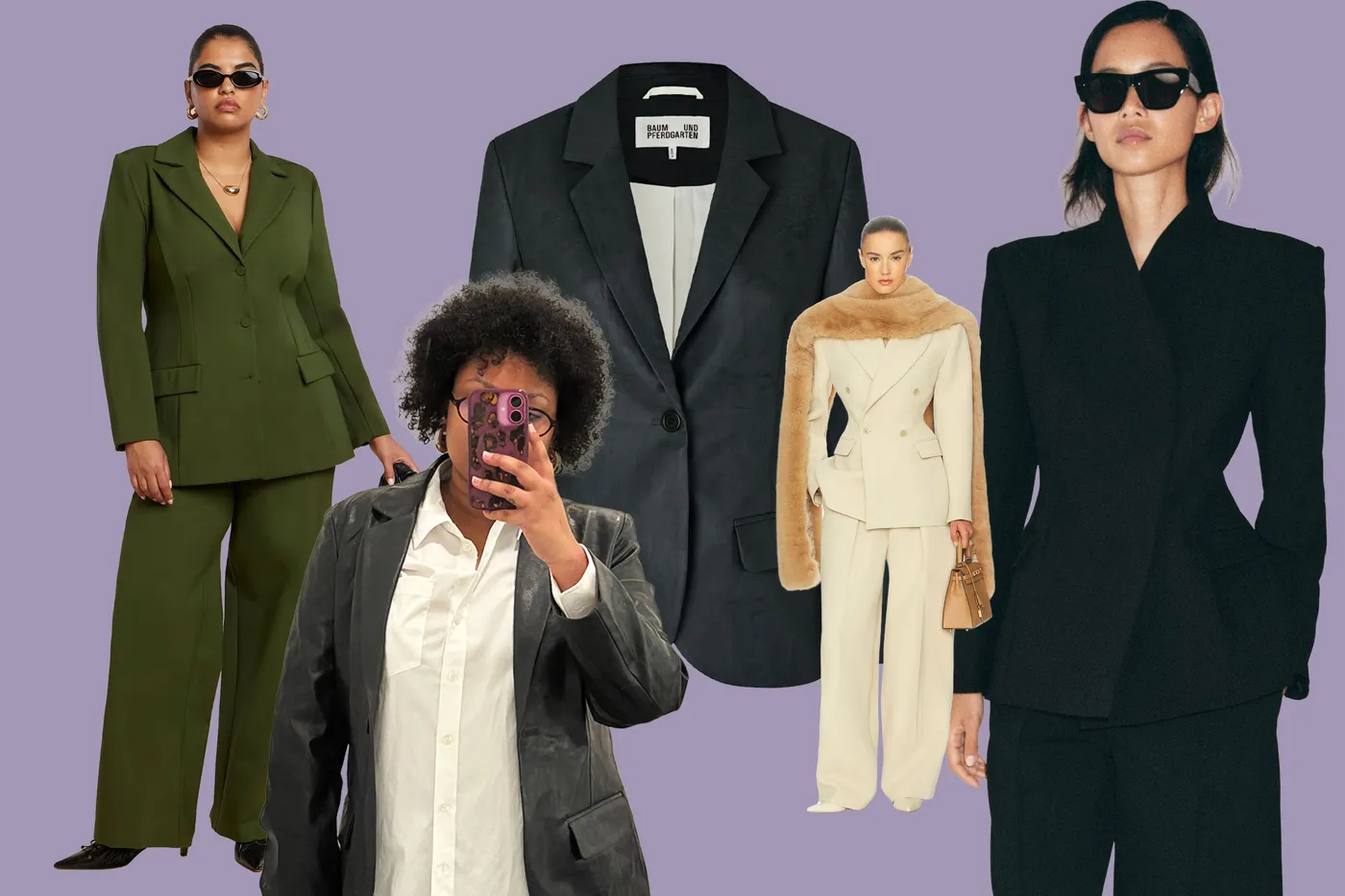
The sharp little jacket had a long run, but its grip on American wardrobes is slipping fast. Across city offices, weekend brunch spots, college campuses, and airport terminals, oversized blazers are taking over because they solve a problem fitted jackets never quite did: they look polished without making you feel trapped.
That shift says plenty about how people dress now. Americans want clothes that can move from a Zoom call to dinner, from a downtown office to a Saturday coffee run, without needing a full outfit change. Style coverage from modern fashion voices keeps pointing toward the same truth: comfort no longer means careless, and structure no longer has to mean stiff. The new blazer mood feels relaxed, roomy, and a little borrowed, but never sloppy.
Fitted jackets once promised control. They carved the waist, sharpened the shoulder, and told the world you had somewhere serious to be. That worked when style was built around looking “put together” at any cost. Today, people want ease with authority. The oversized shape gives them both. It says you know the rules, but you are not dressing like the rules own you.
Why Oversized Blazers Feel Right for Modern American Dressing
Fashion rarely changes because everyone wakes up tired of one item. It changes when daily life starts demanding something different. The rise of looser tailoring fits the way Americans actually live now: part office, part home, part social life, part errand run, all packed into the same day.
Relaxed Tailoring Matches the Hybrid Work Era
Hybrid work changed the American closet more than most people admit. A fitted jacket made sense when the workday had clear edges: commute, desk, meeting, commute home. Once the laptop moved to kitchen tables, shared workspaces, and coffee shops, tight tailoring started to feel out of step.
Relaxed tailoring gives people a smarter middle ground. It still has shape, lapels, pockets, and presence. Yet it does not squeeze the arms during a video call or feel too formal when paired with denim after work. A woman in Chicago can wear one over a ribbed tank for a client meeting, then keep it on for dinner without looking overdressed.
The counterintuitive part is that looser tailoring can look more expensive than tight tailoring. A jacket that skims the body often reads calmer and more confident. When fabric hangs with intention, the outfit feels styled instead of forced.
Loose-Fit Jackets Give Everyday Outfits More Range
A slim jacket often demands matching pieces. It wants the right trouser, the right blouse, the right shoe, and the right posture. Loose-fit jackets are more forgiving. They sit well over jeans, slip dresses, leggings, wide-leg trousers, and even polished shorts in warmer states.
That range matters in the U.S., where style codes shift block by block. What works in a Brooklyn studio may feel too sharp in Austin, and what works in a Dallas office may feel too stiff in Portland. The looser blazer crosses those lines with less friction.
A navy blazer over a white tee and straight-leg jeans can handle a casual Friday in Boston. The same jacket over a satin skirt can work for a rooftop dinner in Los Angeles. One piece carries several moods, which makes it more useful than the old jacket that only looked right in one setting.
The Shape Shift from Fitted Jackets to Roomier Silhouettes
The fitted jacket did not disappear because it looked bad. It lost ground because the body standard behind it started to feel narrow. Roomier silhouettes changed the conversation from “How closely does this follow the body?” to “How does this make the whole outfit feel?”
Boxy Blazer Outfits Create Stronger Proportions
A boxy blazer can seem risky at first because it adds volume. Yet that volume is exactly why it works. The wider shoulder and longer line create contrast, especially when worn with leaner bottoms or clean shoes.
American street style has leaned into that balance. Think of a black boxy blazer with slim vintage jeans and loafers in New York, or a cream version over bike shorts and sneakers in Los Angeles. The shape does not hide the body. It frames it differently.
Proportion does the heavy lifting here. A jacket that ends below the hip can make a simple outfit look planned. The trick is not to drown the figure. It is to let one piece feel roomy while the rest of the outfit gives the eye somewhere to land.
Women’s Blazer Trends Are Moving Away from Restriction
Women’s blazer trends used to orbit the waist. Nipped cuts, cropped hems, and narrow sleeves all pushed the same idea: polish meant compression. That idea now feels dated for many shoppers, especially younger Americans who grew up mixing thrift, streetwear, and office pieces without asking permission.
The modern blazer does not need to prove femininity through a tight fit. It can look elegant through drape, fabric, color, and styling. A charcoal blazer over a slip dress feels soft and strong at once. A tan one with wide denim feels casual but still grown.
This is where oversized blazers earn their second clear win. They let people dress with presence without turning the body into the whole story. The outfit becomes about attitude, shape, and movement, not whether every seam sits close.
How to Style Bigger Blazers Without Looking Swallowed
A roomy blazer looks best when the rest of the outfit has a clear plan. The mistake is not buying a larger silhouette. The mistake is letting every piece fight for space at the same time. Good styling gives volume a job.
Balance Volume with Clean Base Layers
A strong base layer keeps the blazer from taking over. Slim tanks, fitted tees, fine knits, straight jeans, column skirts, and simple dresses all work because they give the jacket structure underneath. The outfit feels relaxed, but not accidental.
This is why a white tank and jeans still work so well under a big blazer. The formula is almost too simple, yet it leaves room for the jacket to be the point. Add loafers, clean sneakers, or ankle boots, and the outfit can move through most American weekend plans without looking underdressed.
A good rule is to let one item be loud in shape. If the blazer is wide, keep the base cleaner. If the pants are wide too, use a closer top or a belt to mark the center. Style improves fast when the eye understands where the outfit begins and ends.
Use Accessories to Make Relaxed Tailoring Look Intentional
Accessories decide whether relaxed tailoring looks smart or careless. A roomy jacket with crushed shoes and a weak bag can look like you left home in a hurry. The same jacket with a clean belt, structured tote, or sharp sunglasses reads deliberate.
Small choices carry weight. Rolled sleeves can soften the shape. A narrow belt under the blazer can hint at the waist without changing the jacket’s line. Gold hoops, a leather watch, or a sleek crossbody can bring polish without making the outfit feel stiff.
The unexpected insight is that accessories should not fight the blazer’s ease. Over-styling kills the mood. One or two clean details usually do more than a stack of extras. The jacket already has size and presence, so the finishing pieces should guide it, not compete with it.
Why This Blazer Trend Has Staying Power
Some trends burn hot because they photograph well. Others last because they solve a real wardrobe problem. This one belongs to the second group. Bigger blazers fit the way people shop now: fewer pieces, more use, less patience for clothing that only works under perfect conditions.
Oversized Fashion Works Across Ages and Budgets
Oversized fashion has a rare advantage: it is not locked to one age group. A college student can wear a thrifted blazer with sneakers. A working mother in Atlanta can wear one over trousers for school drop-off and meetings. A woman in her fifties can style a soft wool version with straight pants and low heels.
Budget also matters. A roomier blazer does not need perfect tailoring to look stylish. Vintage stores, mid-range brands, and department stores all carry versions that can work with small tweaks. If the shoulders sit well and the fabric has decent weight, the piece can look far more polished than its price.
That makes the trend practical, not precious. Fitted jackets often expose every small fit issue. A looser blazer gives more room for real bodies, real budgets, and real days. That kind of flexibility has staying power because it respects how people live.
The Best Versions Feel Timeless, Not Costume-Like
The strongest oversized pieces avoid extremes. They do not need cartoon shoulders, strange sleeve lengths, or fabric so heavy it feels like outerwear. The best ones borrow from menswear, soften the shape, and leave enough clean lines to feel current for years.
Color plays a role here. Black, navy, camel, gray, chocolate, ivory, and pinstripe versions have the longest life. Trend colors can be fun, but a neutral roomy blazer earns more wears across seasons. It can sit over a hoodie in winter or a tank in spring without losing its point.
American style often rewards pieces that can adapt. Oversized blazers are replacing fitted jackets because they adapt better than almost anything else in the tailored category. They give the wearer room to move, room to style, and room to look polished without surrendering comfort.
The smartest move is not to chase the biggest blazer you can find. Choose one with strong shoulders, a clean drape, and enough length to feel relaxed without swallowing your frame. Try it with what you already own before buying a whole new wardrobe around it. When one jacket makes old jeans, simple dresses, and basic tees feel current again, you know the trend has earned its place.
Frequently Asked Questions
How should an oversized blazer fit on your shoulders?
The shoulder seam can sit slightly past your natural shoulder, but it should not collapse down your arm. A good fit looks relaxed, not borrowed by accident. The sleeves should still allow easy movement, and the body should hang cleanly without pulling.
Can you wear a loose-fit blazer to the office?
Yes, as long as the fabric and styling feel polished. Pair it with tailored trousers, loafers, a fine knit, or a simple blouse. Avoid wrinkled fabric or overly casual layers if your office leans formal. The shape can be relaxed while the outfit stays professional.
What pants look best with a boxy blazer outfit?
Straight-leg jeans, slim trousers, cigarette pants, and clean wide-leg pants all work well. The best choice depends on your height and the blazer length. If the jacket is long and roomy, a cleaner pant shape usually keeps the outfit balanced.
Are fitted jackets still in style for women?
Fitted jackets still work, especially for formal offices, sharp evening looks, and classic suiting. They are no longer the only polished option, though. Many women now prefer roomier jackets because they feel more modern, comfortable, and easier to style.
What shoes should you wear with relaxed tailoring?
Loafers, ankle boots, pointed flats, clean sneakers, and low heels all pair well with relaxed tailoring. The shoe should match the outfit’s mood. Sneakers make the blazer casual, loafers make it classic, and heels give it a sharper evening feel.
How do you style oversized fashion without looking messy?
Keep one part of the outfit clean and controlled. A fitted tee, neat denim, smooth trousers, or a simple dress gives volume structure. Add one polished accessory, then stop. Too many oversized pieces at once can make the outfit look unfinished.
What is the best blazer color for everyday wear?
Black, navy, camel, gray, and chocolate brown are the easiest colors to wear often. They pair well with denim, white tees, trousers, dresses, and sneakers. A neutral blazer gives you more outfit options and stays useful beyond one season.
Can petite women wear oversized blazers?
Petite women can wear them well with the right proportions. Choose a blazer that has shape in the shoulders and does not fall too far past the hip. Pair it with higher-waist bottoms or a simple base layer to keep the frame from looking overwhelmed.