

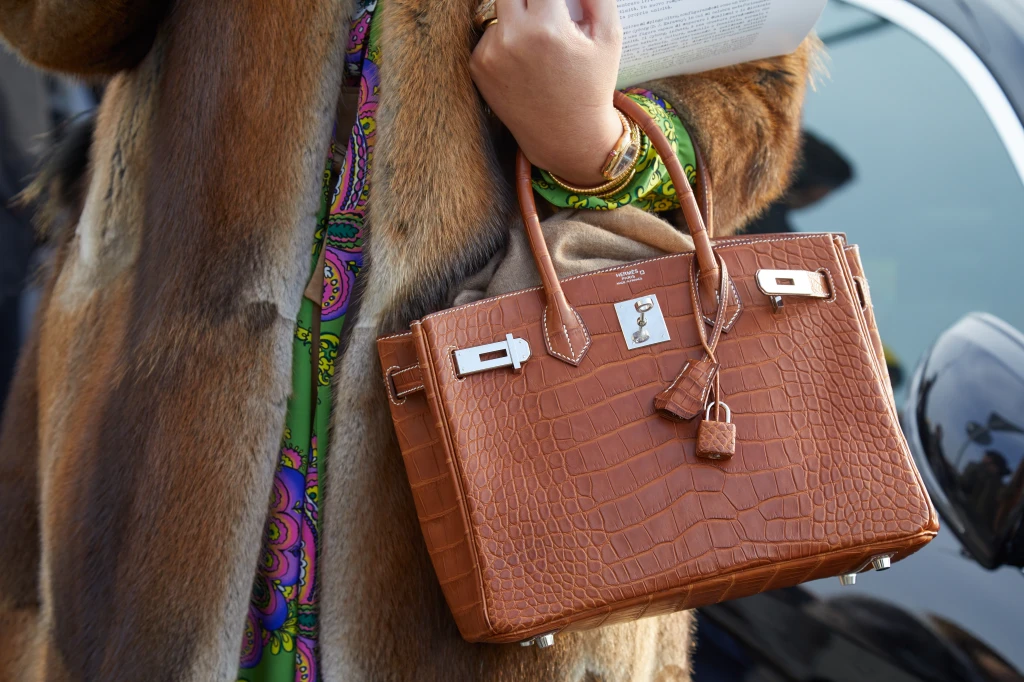
A bag can change the whole read of an outfit before anyone notices your shoes, coat, or jewelry. That is why leather handbags remain one of the smartest style buys for American women who want polish without paying luxury-house prices. The trick is not chasing a logo. It is learning which shapes, finishes, colors, hardware, and styling habits make a bag look refined in real life.
A sharp handbag does more than carry your wallet and keys. It signals taste. It can make a $40 white button-down look intentional, or make a simple jeans-and-loafers outfit feel ready for lunch in Chicago, errands in Dallas, or a casual office day in Boston. Readers who follow practical fashion and lifestyle updates through style and shopping insights already know the same truth: expensive-looking style usually comes from better choices, not bigger spending.
The best part is that you do not need a closet full of bags. You need the right details. Once you know what makes affordable leather bags look elevated, you stop buying pieces that age badly and start choosing handbags that carry their weight for years.
Why Leather Handbags Look Expensive Without Loud Branding
A handbag looks expensive when it feels calm. That sounds strange, but it is true. The bags that age best do not scream for attention through oversized logos, shiny coatings, wild trim, or heavy decoration. They look confident because the design knows when to stop. That restraint is what separates a polished find from a bag that looks cheap after three wears.
Clean Shapes Beat Trendy Decorations
A structured tote, saddle bag, frame bag, bucket bag, or simple shoulder bag often looks more costly than a heavily decorated piece. Clean lines give the eye a place to rest. When a bag has too many zippers, studs, chains, contrast panels, and dangling charms, the design starts fighting itself.
American everyday style favors versatility, especially for women who move between work, school pickup, errands, dinners, and weekend travel. A clean black top-handle bag can work with wide-leg trousers on Monday and denim on Saturday. A bag covered in trend details usually works with fewer outfits, which makes it feel less valuable even when it costs more.
Expensive looking handbags often share one quiet trait: they look finished from every angle. The handle sits neatly. The bottom does not collapse. The stitching does not wander. Even when the price is modest, those details make the bag feel considered. A simple design leaves nowhere for poor construction to hide, so brands have to get the basics right.
The counterintuitive part is that a plain bag is not boring when the shape is good. It gives your outfit room to breathe. The woman wearing the bag looks stylish, not styled by the bag.
Proportion Makes the Difference
A bag can have beautiful leather and still look wrong if the size fights your body or your outfit. A tiny bag with a bulky winter coat can look accidental. A huge tote with a dressy dinner outfit can feel like you came straight from airport security. Proportion decides whether the whole look feels expensive.
For daily use, medium sizes usually win. They carry enough without swallowing the outfit. A structured medium tote, a compact satchel, or a clean shoulder bag works across most American wardrobes because these shapes fit real routines. You can take them to a casual office, a coffee meeting, a grocery run, or a weekend brunch without changing the whole outfit.
Budget handbag styles look far better when the scale matches the purpose. A work bag should hold its form even with a laptop sleeve or notebook inside. A crossbody should sit close to the body instead of bouncing awkwardly at the hip. A small evening bag should feel intentional, not like a shrunken version of a daytime tote.
Proportion also affects perceived quality. When handles look too thin for the body of the bag, the design feels weak. When hardware is too large for a compact shape, it looks costume-like. A balanced bag feels calm, and calm almost always reads as expensive.
Materials, Texture, and Finish That Create a Richer Look
Once the shape is right, the surface tells the next story. People may not know the exact type of leather you are carrying, but they can sense when the finish looks flat, plastic-like, or overprocessed. This is where affordable leather bags either win quietly or give themselves away fast.
Pebbled, Smooth, and Suede Finishes Each Send a Different Message
Pebbled leather is one of the safest choices for everyday use because it hides small marks and holds up well. It also gives the bag a soft depth that can look more expensive than a shiny, stiff surface. A pebbled black, chocolate, taupe, or burgundy bag can handle daily American life without looking worn after one busy month.
Smooth leather has a cleaner, dressier feel. It works well for structured handbags, top-handle bags, and office-friendly totes. The downside is that scratches show more easily, so smooth finishes need better care. A smooth bag looks rich when it stays clean, shaped, and free from cloudy marks.
Suede brings a softer, more seasonal mood. A suede shoulder bag in camel, olive, navy, or espresso can make fall outfits look richer without much effort. The catch is weather. In rainy cities like Seattle or humid summer areas in the South, suede needs protection and more careful storage.
The surprise is that texture can make a lower-priced bag look better than a high-priced one. A modest pebbled leather bag with neat edges can outshine a designer bag that has started to sag, crease, or peel at the corners.
Edge Paint and Stitching Matter More Than Most Shoppers Think
A bag’s edges tell the truth. Look at the handle edges, strap edges, flap edges, and side seams. If they look rough, cracked, sticky, or uneven, the bag will not keep an expensive look for long. Clean edge paint gives the whole piece a sharper finish.
Stitching does the same kind of work. Straight, tight stitching shows control. Loose threads, uneven spacing, or crooked lines make even genuine leather feel cheap. You do not need to be a leather expert. Hold the bag at arm’s length, then look closer. If your eye catches flaws right away, the bag will not improve with wear.
Expensive looking handbags do not depend on one major feature. They depend on many small choices working together. A simple strap attachment, neat stitching, firm base, and smooth zipper can make an accessible bag look far more refined than a flashy option with weak construction.
This is where online shopping gets tricky. Product photos often hide edges, interiors, and strap quality. When buying online, zoom into the handle, seams, corners, and bottom. Reviews with customer photos matter more than polished studio images because real lighting shows the finish honestly.
Colors and Hardware That Make Affordable Bags Look High-End
Color and hardware can rescue or ruin a bag. The right shade feels rich even on a lower budget. The wrong metal finish can make a decent bag look cheap in seconds. This is not about strict rules. It is about choosing details that work with real wardrobes instead of fighting them.
Neutral Colors Are Not All Equal
Black is the easiest choice, but not every black bag looks expensive. A deep black with a clean finish feels sharp. A faded black with shiny plastic-looking coating can look tired before it leaves the store. For many women, dark chocolate brown now feels softer and more current than basic black, especially with denim, camel coats, cream sweaters, and gold jewelry.
Taupe is another strong option because it works with cool and warm outfits. It looks more elevated than beige when the undertone is balanced. Camel can look rich, but it needs the right finish. Too orange, and it starts to feel cheap. Too pale, and it may show dirt fast.
Burgundy, oxblood, forest green, navy, and deep espresso are smart color choices for anyone who wants style without loudness. These shades add interest while still behaving like neutrals. A burgundy shoulder bag with a gray coat feels far more intentional than a neon trend bag that only matches one outfit.
Budget handbag styles gain more mileage when the color works across seasons. A soft cream bag may look beautiful in spring, but a deep brown or taupe bag may work from September through April with less effort. The most expensive-looking choice is often the one you can wear more often.
Hardware Should Whisper, Not Shout
Hardware is one of the fastest ways to spot a cheaper bag. Bright yellow gold, mirror-shiny silver, oversized chains, and loud logo plates can make a bag look less refined. Softer gold, brushed metal, gunmetal, antique brass, or minimal hardware usually feels more expensive.
The weight of the hardware matters too. If the zipper pull feels thin, hollow, or sharp at the edges, the bag may not age well. A smooth zipper and solid clasp create a better daily experience. You feel quality every time you open the bag, and that feeling changes how you treat it.
A good rule is simple: the metal should support the design, not become the whole design. A clean turn-lock closure can look elegant. A giant logo buckle can age fast. Small feet on the bottom of a tote can help protect the base, but huge metal corners may make the piece feel overdone.
Mixing hardware with jewelry also matters. If you mostly wear gold hoops, a bag with warm brass or soft gold hardware will blend better. If your wardrobe leans cool, silver or gunmetal may look cleaner. Matching does not need to be perfect, but clashing metals can make an outfit feel less intentional.
How to Style and Care for Bags So They Keep Looking Expensive
Buying well is only half the work. A bag can start strong and lose its polish through poor storage, careless styling, or carrying too much. The women who always look put together are not always buying the most expensive pieces. They are protecting the shape, choosing outfits carefully, and rotating bags before they look exhausted.
Outfit Pairing Can Make a Budget Bag Look Better
A handbag looks more expensive when the rest of the outfit has discipline. That does not mean dressing formally. It means choosing clean basics, balanced colors, and shoes that make sense with the bag. A crisp white shirt, straight jeans, loafers, and a structured brown bag can look richer than a crowded outfit full of competing trends.
Texture pairing helps too. A pebbled leather bag looks great with wool coats, cotton shirts, denim, and ribbed knits. A smooth leather satchel works well with blazers, trousers, simple dresses, and trench coats. A suede shoulder bag looks strong with knitwear, denim skirts, soft jackets, and fall boots.
Affordable leather bags also benefit from repetition. When your belt, shoes, or watch strap sits in the same color family as your bag, the outfit feels planned. It does not need to match exactly. A chocolate bag can work with espresso loafers, tan sandals, or a tortoiseshell hair clip because the tones speak to each other.
The unexpected insight is that a cheaper bag often looks best with quieter clothing. If every item is trying to prove style, the bag gets dragged into the noise. Let one or two details lead, then let the handbag finish the look.
Storage and Maintenance Protect the Investment
A bag loses its expensive look when it collapses. Stuffing it with tissue, a clean cotton T-shirt, or a bag insert helps it keep shape between wears. Hanging heavy bags by their straps can stretch the handles, so shelves usually work better than hooks.
Cleaning should stay simple. Wipe leather with a soft dry cloth after heavy use. Use a conditioner only when the leather type allows it, and always test in a hidden spot first. Suede needs a brush and protector spray made for suede, not random cleaners from under the sink.
Rotation matters more than most people admit. Carrying the same bag every day through rain, heat, office floors, car seats, and grocery carts will age it fast. Even two or three dependable bags can extend the life of each one. A work tote, a small crossbody, and a dressier shoulder bag can cover most weeks without overbuying.
There is also a practical habit that changes everything: stop overfilling your bag. Heavy wallets, water bottles, chargers, makeup pouches, receipts, and random extras stretch seams and distort shape. A cleaner bag interior keeps the exterior looking better, which is exactly how leather handbags keep their polished effect over time.
Conclusion
The smartest handbag purchase is rarely the flashiest one. It is the bag that works hard, ages well, and makes your regular clothes look more deliberate. A strong shape, clean stitching, balanced hardware, and a rich neutral color can do more for your wardrobe than a loud logo ever will.
You do not need to chase every seasonal trend or wait until you can spend designer money. You need to train your eye. Once you notice edge paint, strap proportion, texture, hardware tone, and storage habits, shopping becomes less emotional and more strategic. That is where the savings happen.
The best leather handbags on a budget are not pretending to be luxury pieces. They stand on their own because they look refined, useful, and chosen with care. Start with one bag that fits your actual life, not an imaginary version of it. Choose the piece that makes Monday morning feel sharper, Saturday errands feel easier, and your wardrobe feel more finished every time you pick it up.
Frequently Asked Questions
What makes a leather handbag look expensive on a budget?
Clean structure, neat stitching, rich color, subtle hardware, and smooth edges make the biggest difference. A simple bag with balanced proportions often looks more expensive than a heavily decorated one. Avoid loud logos, shiny plastic finishes, and weak straps that collapse after light use.
Are affordable leather bags worth buying?
Yes, affordable leather bags can be worth buying when the construction is strong and the design is timeless. Focus on shape, stitching, zipper quality, lining, and strap strength. A modest bag that lasts several seasons gives better value than a trendy piece that wears out fast.
Which handbag colors look the most expensive?
Black, chocolate brown, taupe, burgundy, espresso, navy, and forest green often look the most polished. These shades pair well with common American wardrobes and work across seasons. Balanced undertones matter, so avoid colors that look too flat, too shiny, or too orange.
How can I tell if a handbag is good quality?
Check the stitching, edge paint, zipper movement, strap attachment, lining, and bottom structure. A quality bag feels stable in your hand and keeps its shape when set down. Crooked seams, peeling edges, loose threads, and flimsy hardware are warning signs.
Do pebbled leather handbags look better than smooth leather?
Pebbled leather often works better for daily use because it hides scratches and minor wear. Smooth leather can look dressier, but it shows marks faster. Choose pebbled leather for errands and workdays, and smooth leather for cleaner outfits or occasions with less rough handling.
What handbag style is best for everyday outfits?
A medium structured tote, compact satchel, clean shoulder bag, or simple crossbody usually works best. These shapes fit daily needs without overpowering outfits. The best choice depends on what you carry, how often you commute, and whether your wardrobe leans casual or polished.
How do I care for leather handbags at home?
Store bags upright, lightly stuffed, and away from direct heat or sunlight. Wipe them with a soft cloth after use and avoid overfilling them. Use leather conditioner only when suitable for the specific finish, and protect suede with products made for suede care.
Can budget handbag styles look professional for work?
Yes, budget handbag styles can look professional when they have structure, quiet hardware, and a polished neutral color. A clean tote or satchel in black, brown, taupe, or burgundy works well for offices. Skip oversized logos, sagging shapes, and overly trendy details.