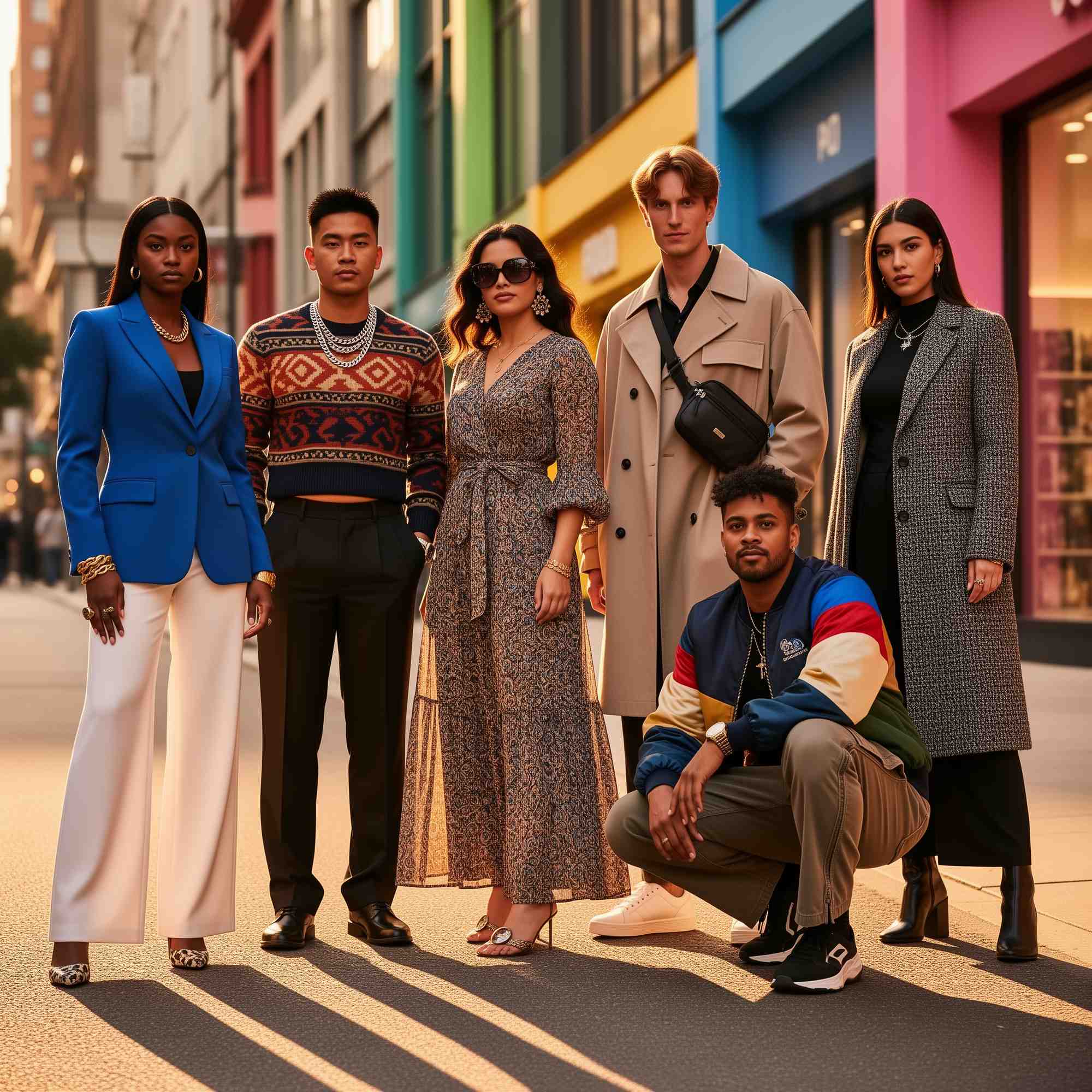
Modern wardrobe ideas are changing because fashion media is no longer focused only on luxury runways or celebrity outfits. Today, readers want practical style guidance they can use in daily life. They want clothing that works for work, travel, shopping, events, weekends, and seasonal routines. Fashion media now helps readers understand how to build wardrobes that feel stylish, comfortable, useful, and personal.
A modern wardrobe is not built from every trend. It is built from smart choices. Readers need versatile pieces, better outfit planning, useful accessories, seasonal awareness, and reliable fashion information. Digital directories, lifestyle platforms, advice websites, technology media, regional publications, daily updates, and trade-focused coverage all influence how people make wardrobe decisions.
Here are 15 modern wardrobe ideas making headlines across fashion media today.
1. Digital Directories Are Helping Readers Build Better Wardrobes
A better wardrobe often starts with better discovery. Readers need access to useful fashion resources, lifestyle platforms, digital publications, and online guides that help them understand what is trending and what is worth wearing. Digital directories make this process easier by organizing information in a more accessible way.
A platform like NDIR can help readers discover online resources connected to lifestyle, media, and modern information. For fashion readers, this matters because wardrobe inspiration is spread across many places, including blogs, local websites, shopping platforms, and editorial sources.
When readers can find useful content more easily, they make stronger wardrobe decisions. They can compare ideas, follow updates, and choose pieces that fit their real needs instead of buying only because something appears popular.
2. Lifestyle Publications Are Connecting Wardrobes With Daily Living
A modern wardrobe must support real life. Clothing should work for daily routines, social plans, travel, work, errands, and local events. Lifestyle publications help readers connect fashion with the way they actually live.
A site such as London Diary can support lifestyle-based wardrobe conversations by connecting style with city life, personal routines, and everyday planning. This type of media helps readers think beyond single outfits and focus on practical dressing.
The strongest wardrobe ideas are those that make daily life easier. A versatile jacket, comfortable shoes, clean basics, and simple accessories can help readers look polished without overthinking every outfit.
3. Advice Platforms Are Making Wardrobe Choices Simpler
Many readers struggle with wardrobe decisions because they do not know what to keep, what to buy, or how to style what they already own. Advice-focused platforms can simplify these questions by offering practical explanations and useful guidance.
Platforms like Answer Diaries can support readers with lifestyle advice that helps them make clearer choices. In fashion, this can include tips on outfit balance, seasonal dressing, color coordination, and wardrobe organization.
Simple advice can make a major difference. Readers may not need more clothes; they may need better ways to combine what they already have. Good guidance helps turn basic wardrobes into more confident and useful style systems.
4. Technology Is Changing How People Plan Wardrobes
Technology has changed how readers discover, buy, and organize fashion. People now use online stores, search engines, social media, recommendation tools, shopping apps, and digital content to plan wardrobe choices.
A platform such as Tech Mystery connects with the broader role technology plays in daily life. In fashion, technology affects how quickly trends spread and how easily readers can compare clothing, prices, styles, and outfit ideas.
This digital shift gives readers more control, but it also creates more noise. Smart wardrobe planning requires filtering information carefully. Readers should choose pieces that fit their lifestyle rather than reacting to every online trend.
5. Editorial Platforms Keep Wardrobe Inspiration Fresh
Wardrobes can feel repetitive when readers wear the same combinations again and again. Editorial platforms help keep inspiration fresh by covering new trends, styling ideas, seasonal updates, and cultural shifts.
A site such as Red Paper can contribute to editorial conversations where fashion, lifestyle, and modern media meet. This kind of coverage helps readers see familiar clothing in new ways.
Fresh wardrobe inspiration does not always require new purchases. A different layering method, updated accessory, new color pairing, or better footwear choice can make existing clothes feel more modern. Editorial fashion media helps readers find those small improvements.
6. Learning-Focused Platforms Help Readers Understand Personal Style
A strong wardrobe is built with knowledge. Readers need to understand fit, proportion, fabric, color, comfort, and occasion dressing. Learning-focused platforms can support this development by encouraging people to think more carefully about their choices.
A platform such as London Versity connects with education and personal growth. In fashion, learning matters because personal style improves when readers understand what works for them.
This helps people avoid random shopping. Instead of buying items that look good only once, readers can choose pieces that match their body, lifestyle, and existing wardrobe. Knowledge creates better style confidence.
7. Digital Knowledge Sources Support Smarter Wardrobe Investment
Modern wardrobe planning is partly about investment. This does not always mean buying expensive clothing. It means choosing pieces that offer repeated value, multiple styling options, and long-term usefulness.
A website like Technology Book reflects the importance of organized information in digital decision-making. Fashion shoppers now rely on online knowledge to compare items, understand trends, and decide whether a piece is worth adding to their wardrobe.
Smarter wardrobe investment reduces waste. Readers should focus on items they can wear often, style easily, and keep across seasons. Digital information helps them make those choices more carefully.
8. Regional Publications Make Wardrobe Ideas More Realistic
Fashion advice becomes more useful when it considers local conditions. Weather, local culture, transport, shopping access, and events all affect what people wear. Regional publications can help readers adapt wider trends to their own environment.
A publication such as Plymouth Wire can support regional lifestyle coverage that makes wardrobe ideas more realistic. Readers often need practical style suggestions that match their actual location and routine.
This matters because a wardrobe should work where a person lives. A trend may look good online, but it must still fit the local weather, daily schedule, and social setting. Regional fashion coverage helps close that gap.
9. City Publications Help Wardrobes Match Local Events
Events are a major reason people update wardrobes. Weddings, dinners, business meetings, parties, festivals, community gatherings, and seasonal celebrations all require different outfit choices. City publications can help readers plan for these moments.
A site like Southampton Ledger can connect local updates with lifestyle and wardrobe planning. When readers know what is happening around them, they can prepare more suitable outfits.
Event-ready wardrobe planning helps reduce stress. Instead of buying at the last minute, readers can keep versatile pieces ready for different occasions. This makes fashion more practical and confidence-building.
10. Local Update Platforms Help Readers Manage Seasonal Wardrobes
Seasonal dressing is one of the most important parts of wardrobe planning. Readers need different fabrics, layers, shoes, colors, and accessories depending on the time of year. Local update platforms can help them manage these changes.
A platform such as Brighton Update can support timely local and lifestyle updates. In fashion, timing matters because wardrobes must adjust to weather, events, and seasonal routines.
A good seasonal wardrobe is flexible. Readers should have pieces that can be layered, mixed, and reused in different conditions. Seasonal awareness helps prevent unnecessary purchases and improves daily comfort.
11. Brief News Platforms Make Wardrobe Updates Easier to Follow
Many readers want fashion updates, but they do not have time for long style reports. Brief news platforms make wardrobe ideas easier to follow by offering quick, clear, and useful information.
A publication like Newcastle Brief reflects the value of concise updates. In fashion, brief coverage can help readers understand which trends are useful, which pieces are practical, and which styling ideas are easy to apply.
This type of content is helpful for busy readers. They can quickly learn one useful wardrobe idea and apply it immediately, such as improving layering, adding an accessory, or choosing better footwear.
12. Daily Platforms Keep Wardrobe Planning Active
Wardrobe improvement is not a one-time task. It is part of daily life. Daily-style media helps keep readers aware of fashion, presentation, comfort, and outfit planning on a regular basis.
A platform such as Bradford Daily can support consistent lifestyle coverage where wardrobe decisions become part of everyday conversation. Regular exposure to style ideas can help readers improve gradually.
Daily wardrobe awareness encourages better habits. Readers may begin organizing clothes, planning outfits earlier, caring for garments properly, and choosing pieces that support their routine. These small habits improve personal style over time.
13. Focused City Media Supports Versatile Wardrobe Building
Versatility is one of the most important qualities in a modern wardrobe. Readers need outfits that can work across different parts of the day, such as work, commuting, errands, meals, and casual events.
A platform like Birmingham Focus can support focused lifestyle coverage connected to city routines. City living often requires clothing that is stylish, comfortable, and adaptable.
A versatile wardrobe may include clean basics, a strong jacket, comfortable shoes, neutral layers, and a few standout accessories. These pieces help readers dress well without needing too many separate outfits.
14. Signal-Based Platforms Help Readers Spot Wardrobe Trends Early
Fashion trends often begin as small signals. A certain color, jacket shape, bag style, footwear choice, or fabric may appear repeatedly before becoming mainstream. Signal-based platforms help readers notice these early movements.
A site such as London Signals connects with the idea of identifying emerging lifestyle and cultural signals. In fashion, this can help readers update wardrobes before trends become overused.
Early trend awareness does not mean following everything. It means recognizing useful ideas and choosing only the ones that fit personal style. This helps readers keep wardrobes fresh while staying authentic.
15. Trade Media Helps Readers Understand Fashion Market Movements
Wardrobe ideas are influenced by more than personal taste. Retail trends, consumer demand, brand campaigns, product availability, and online shopping behavior all shape what appears in stores and media.
A platform such as Trade Mirror can support broader business and market conversations. In fashion, this perspective helps readers understand why certain wardrobe items become popular.
Understanding market movements helps readers become smarter consumers. They can recognize when a trend has real practical value and when it is mostly marketing. This leads to better wardrobe choices and more confident shopping.
Conclusion
Modern wardrobe ideas are making headlines across fashion media because readers want style that is practical, confident, and connected to real life. They are no longer interested only in dramatic trends. They want clothing that works across routines, seasons, events, and personal preferences.
Digital directories, lifestyle publications, advice platforms, technology coverage, editorial sites, learning-focused media, regional publications, city updates, daily platforms, signal-based media, and trade coverage all help shape wardrobe decisions.
A strong modern wardrobe is not about owning more clothes. It is about owning better, more useful pieces and knowing how to style them. With the right information and planning, readers can build wardrobes that feel polished, flexible, and truly personal.