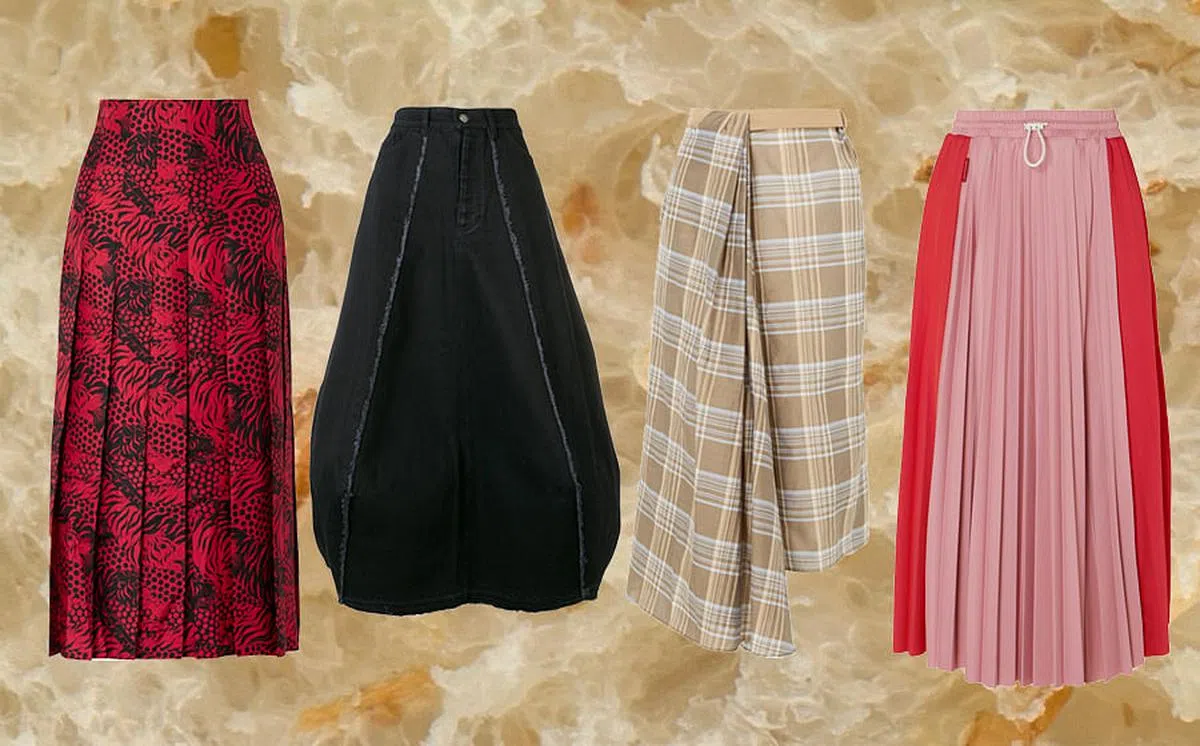
The right skirt does not ask your body to change before it looks good. It works with your shape, your height, your waist, your hips, your comfort level, and the life you actually live. That is why midi skirt styles have stayed so useful for American women who want outfits that feel polished without turning into a full production.
A midi skirt sits in that sweet middle zone between casual and dressed up. It can handle a school pickup in Ohio, a brunch in Austin, a client lunch in Chicago, or a relaxed Friday office in Los Angeles. The trick is not chasing one “perfect” skirt. It is learning how cut, fabric, length, and styling change the whole effect. A guide from a trusted fashion and lifestyle resource can help you sort through trends, but your mirror still gets the final vote. That balance matters more than any rule.
Why Midi Skirts Work When the Fit Respects Your Shape
A good midi skirt does not hide your body. It gives your outfit structure so your natural shape reads clearly instead of getting lost under fabric. That matters because many women buy skirts by color first, then wonder why the outfit feels off. Shape comes before print, trend, or even price.
The most flattering skirt is not always the one that looks striking on the hanger. Sometimes it is the quiet A-line that gives your waist room to breathe. Sometimes it is the slip skirt that moves instead of clings. The win comes from choosing the skirt that supports your proportions, not the one that copied well from a social media post.
How Length Changes the Whole Outfit
Length is the first thing people notice, even when they cannot name it. A skirt that hits at the widest part of your calf can make the leg look shorter, while one that lands slightly below the knee or closer to the ankle often feels cleaner. Two inches can change everything.
Petite women in the USA often struggle here because many store-bought skirts are cut for taller frames. A “midi” can turn into a near-maxi fast. Tailoring the hem, choosing a high waist, or wearing a pointed flat can fix the line without making the outfit feel fussy. The goal is not height at any cost. The goal is balance.
Taller women have a different issue. Some midi cuts stop too high and look like an accidental knee skirt. A longer column shape, a bias-cut satin skirt, or a pleated skirt with enough drop can make the outfit feel intentional. Length should look chosen, not settled for.
Why Waist Placement Matters More Than Size
A waistband can make a skirt feel expensive or awkward. A high waist creates definition and gives the legs a longer line, while a low waistband can work when the skirt has weight and the top is styled with care. The mistake is treating waist placement like a trend instead of a proportion tool.
For many body shape outfits, the most forgiving choice is a waistband that sits near the natural waist without squeezing. It creates shape without punishing you after lunch. That matters in real life, where clothes have to survive sitting, walking, driving, and eating.
Elastic waists can work too, but they need discipline. A wide, smooth elastic waistband usually looks sharper than a thin gathered one that twists and bunches. When the waistband lies flat, the whole outfit looks calmer. Calm is underrated in fashion.
Midi Skirt Styles That Flatter Curves, Straight Frames, and Petite Builds
The same skirt can look different on two people because bodies carry volume in different places. That is not a problem. It is the reason styling exists. Once you understand where the skirt creates shape, you can pick pieces that make getting dressed feel less like guessing.
Curvy bodies often need flow without bulk. Straight frames may want shape without stiffness. Petite builds usually need length control and cleaner lines. None of these needs are better than the others. They are design problems with design answers.
A-Line Skirts Give Shape Without Fighting the Body
The A-line skirt earns its place because it creates a gentle outline from waist to hem. It does not grab the hips, and it does not collapse around the legs. For many women, that makes it one of the easiest flattering skirt outfits to build.
A structured cotton A-line can feel crisp with a tucked tee and loafers. A softer ponte version can work for a teacher, office worker, or mom who needs movement but still wants polish. The shape gives enough definition to look styled, even when the outfit is simple.
The unexpected part is that A-line does not have to mean “sweet.” A black denim A-line with a ribbed tank and ankle boots can look sharp. A camel wool version with a fitted sweater can look grown and clean. The cut is friendly, but it is not childish.
Slip Skirts Need Movement, Not Tightness
A slip skirt can be beautiful when it skims instead of grips. The fabric should move over the body with a slight swing. When it sticks at the hips, pulls across the stomach, or clings to every line, it stops looking easy.
Bias-cut slips work well because the fabric has natural give. They can flatter curves by following shape without boxing it in. They can also give straight frames a softer line, especially when paired with a cropped cardigan or a tucked button-down.
The real trick is the top. A loose sweater over a slip skirt can look relaxed, but it needs a front tuck or shorter hem to avoid swallowing the waist. A fitted tee works too, especially with sneakers for a city weekend look. Women’s midi skirts like these succeed when the styling feels a little undone, not overly perfect.
Choosing Fabric, Print, and Color Without Losing Balance
Fabric decides how a skirt behaves before color ever gets a chance. A stiff fabric holds its shape. A soft fabric follows the body. A thin fabric can show more than you planned. A heavy fabric can add volume where you did not want it.
This is where many outfits go wrong. A print might be beautiful, but the fabric may sag. A color may suit your skin, but the cut may pull. You want the whole skirt to work together, not one attractive detail carrying the rest.
Pleats Work Best When They Start Smooth
Pleated skirts can look elegant, but the top of the pleat matters. If the pleats open too much at the stomach or hips, the skirt can add bulk. A clean yoke, stitched-down pleats, or softer accordion pleats often create a smoother line.
For pear-shaped bodies, pleats that begin lower on the hip can work better than full volume from the waistband. For straighter shapes, full pleats can create movement and shape. A pleated navy skirt with a white knit top can work in a Boston office without looking stiff or dated.
Pleats also love simple shoes. Sneakers, loafers, ballet flats, and low block heels all work when the skirt has enough swing. The outfit fails only when every piece tries to compete. Let the pleats do the talking.
Prints Should Match Your Styling Confidence
A print changes the mood fast. Small prints feel softer and easier to wear. Larger prints create drama and can draw attention to the lower half. Neither is wrong, but each one needs a different level of comfort.
A floral skirt can feel fresh with a plain tank and denim jacket. A leopard print midi can look confident with a black sweater and simple gold hoops. A striped skirt can lengthen the body when the lines fall vertically or diagonally. Print has power, but it needs restraint around it.
Flattering skirt outfits often work because the rest of the look gives the print space. A printed skirt with a loud top, busy bag, and statement shoes can tip into noise. One bold choice usually lands better than four.
Styling Midi Skirts for Real American Routines
A skirt should not only work while you stand in front of the mirror. It has to work in a grocery aisle, an office hallway, a restaurant booth, a subway platform, or a school event. Real routines reveal whether a piece belongs in your closet.
That is why styling matters as much as the skirt itself. Shoes, tops, jackets, and proportion can make a budget skirt look sharp or make an expensive skirt feel awkward. The outfit lives in the details.
Shoes Can Make the Skirt Feel Modern or Dated
Shoes decide the attitude of a midi skirt. Sneakers make it casual. Loafers make it smart. Boots give it weight. Sandals make it relaxed. A thin stiletto can work, but it is not the only answer, and often not the easiest one.
For daily wear, low-profile sneakers pair well with cotton, denim, and pleated skirts. Loafers work with office-ready pieces, especially when the skirt has structure. Knee-high boots can look excellent under a midi during colder months because they avoid the awkward ankle gap that happens with some booties.
Ankle boots need more care. If the boot cuts the leg at the wrong point, the outfit can feel chopped. A boot that sits close to the ankle usually works better than one with a wide opening. Small detail, big difference.
Tops Should Control the Volume
A midi skirt already brings fabric into the outfit, so the top has to create order. A fitted tank, ribbed tee, cropped sweater, or tucked blouse can bring the eye back to the waist. Without that anchor, the look can feel wider than it needs to.
Oversized tops can work, but they need intention. A roomy sweatshirt with a satin skirt can look cool when the hem is cropped or tucked slightly. A long tunic over a full skirt often feels heavy because both pieces compete for space. Volume needs a boss.
Women’s midi skirts become easier to wear when you think in opposites. Full skirt, cleaner top. Slim skirt, softer layer. Printed skirt, plain top. Heavy fabric, lighter shoe. These pairings are not strict laws. They are shortcuts that save you from standing in the closet for twenty minutes.
Conclusion
Great style rarely comes from copying one perfect outfit. It comes from noticing what your body, schedule, and taste keep telling you. A midi skirt can be one of the most flexible pieces in your closet, but only when you stop treating it like a trend and start treating it like a shape tool.
The strongest midi skirt styles are not limited to one body type. They adapt. They give curves room, add movement to straight frames, help petite women build length, and let tall women create a graceful line without trying too hard. The best one for you is the one that makes the rest of your outfit feel easier.
Start with one skirt that fits your real life, then build three outfits around it before buying another. Choose the waist, hem, fabric, and shoes with care, and the whole look will begin to make sense. Dress for the body you have today, and the mirror gets a lot kinder.
Frequently Asked Questions
What midi skirt length is most flattering for short women?
A length that lands slightly below the knee or a few inches above the ankle usually works well. Petite women should avoid hems that stop at the widest part of the calf. A high waist, pointed shoes, and a clean top can also help lengthen the overall line.
Which midi skirt style is best for curvy body shapes?
A-line, bias-cut, and wrap skirts often work well for curves because they create shape without clinging too tightly. Look for fabric that moves over the hips and a waistband that sits smoothly. The skirt should define your waist while giving your lower half room.
How do I wear a midi skirt without looking shorter?
Keep the waist visible, choose a hem that does not cut the calf awkwardly, and avoid heavy shoes that shorten the leg line. A tucked top, cropped jacket, or pointed flat can help. Matching shoe color to your skin tone or tights can also create length.
Are pleated midi skirts flattering on all body types?
Pleated skirts can flatter many body types when the pleats fall cleanly. Stitched-down pleats or softer accordion pleats often work better than bulky pleats that open at the waist. The key is checking how the skirt sits while standing and walking, not only on the hanger.
What tops look best with women’s midi skirts?
Fitted tees, ribbed tanks, tucked shirts, cropped sweaters, and neat blouses all pair well. The top should balance the skirt’s volume. If the skirt is full, choose a cleaner top. If the skirt is slim, a softer or looser top can create a relaxed shape.
Can I wear midi skirts casually every day?
Yes, midi skirts can be easy daily pieces when styled with practical shoes and simple tops. Pair cotton or denim versions with sneakers, tees, and light jackets. For cooler weather, add boots and a knit sweater. Comfort depends on fabric, waistband, and movement.
What shoes should I avoid with a midi skirt?
Avoid shoes that cut the ankle awkwardly or feel too heavy for the skirt’s fabric. Wide ankle boots can shorten the leg if they hit at the wrong point. Chunky shoes can work, but they need balance from the rest of the outfit.
How do I choose a midi skirt for office outfits?
Pick structured fabric, a smooth waistband, and a length that feels polished when sitting and walking. A-line, pleated, and straight midi skirts often work well for offices. Pair them with loafers, low heels, or clean flats, then keep the top neat and simple.