

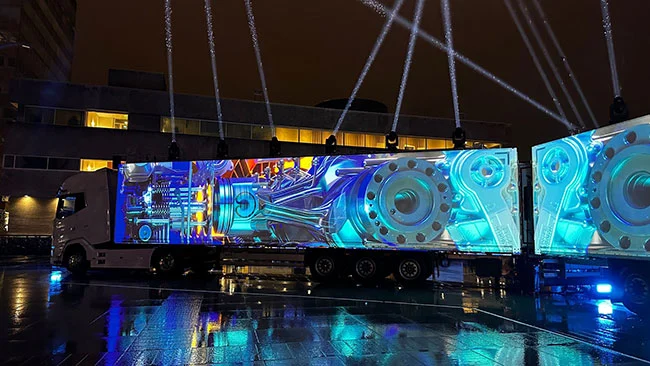
Projection mapping costs depend on the size of the surface, equipment needed, visual content, venue, and event schedule. A small indoor display with existing media will usually require less work than a large outdoor installation with custom animation. Projector brightness and quantity can raise equipment costs quickly.
Labor also covers setup, alignment, testing, and technical support. Venue access may add rigging, power, or transportation expenses. Content creation becomes another major factor when visuals must be designed from scratch. Understanding these expenses will help you plan your projection mapping cost before booking a production team.
Key Takeaways
- Get an itemized quote when your project involves custom content or complex equipment.
- Choose a simpler projection surface if reducing equipment and setup costs is a priority.
- Use existing media when it fits the surface and avoids unnecessary design work.
- Plan outdoor installations early because power, rigging, weather protection, and access can add costs.
- Confirm rental periods carefully since setup and testing may begin before the event.
- Set aside part of the budget for revisions, rehearsals, and on-site technical support.
What Is Projection Mapping?
Projection mapping uses video projectors to display images on physical objects or structures. The content is created to match the shape of the surface instead of being shown on a standard rectangular screen. The surface might be a building, stage, wall, sculpture, vehicle, or set piece. Architectural features such as windows and columns become part of the visual design.
The process requires more than placing a projector in front of a wall. The equipment has to be positioned correctly. The image also needs to line up with the physical structure. The final result depends on both the technical setup and the media itself. That is why pricing can vary significantly between two projection mapping projects.
What Factors Affect the Cost of Projection Mapping?
Several production decisions influence the base price. Surface size and projector requirements usually have a direct effect on equipment costs. Content complexity affects design hours.
Size and Shape of the Projection Surface
A larger projection surface usually needs more light output. One projector may not provide enough coverage or brightness for a large building. Shape creates another consideration. A flat wall is relatively straightforward to map.
A surface with curves, windows, columns, or multiple angles requires more precise planning. The projection distance matters too. There needs to be enough room between the projector and the surface. A venue with limited space may require specialized lenses or different equipment.
Number and Quality of Projectors
Projectors are one of the major equipment expenses. The number needed depends on the surface and the required brightness. A large outdoor structure may need several projectors working together. The images can be blended to create one continuous visual across the surface.
Brightness matters when ambient light is present. Outdoor installations may need high-output projectors to keep the visuals visible. Resolutions can affect the price as well. Detailed content covering a large surface may require higher-resolution equipment to maintain image quality.
Complexity of the Visual Content
Simple graphics require less production work than detailed animation. Content becomes more involved when visuals need to move around architectural features. Designers may create media specifically for the structure. They need accurate measurements and reference images to position elements correctly.
Projects involving 3D projection mapping can require additional design and production time. The content may need to account for depth and changes in the physical surface. Music synchronization can add another layer. If visuals need to follow a soundtrack or live program, timing has to be planned carefully.
Labor and Technical Support
Labor covers much more than operating the projector. Technicians may prepare equipment, align images, run cables, test media, and monitor the system. Large projects can require several people.
Content designers may work separately from the technicians handling the physical installation. On-site support can also affect the final quote. Some events only need technicians during setup. Others require someone to remain available throughout the program.
Event Duration and Equipment Rental
Rental costs are usually connected to how long the equipment is needed. The rental period may start before the actual event. Projectors might need to arrive a day early for installation and testing. A multi-day event can require equipment to remain in place throughout the program.
How Do Venue Requirements Affect Projection Mapping Cost?
The venue can introduce expenses that are not obvious from the initial project description. Access, lighting, power, and mounting locations all need to be considered.
Indoor and Outdoor Projection
Indoor projection is generally easier to control because the amount of ambient light can be reduced. Equipment may also be easier to protect and access. Outdoor projection has more variables.
Streetlights, nearby buildings, weather conditions, and long viewing distances can affect the final image. Weather protection may be needed for projectors and related equipment. The surface itself must also be suitable for the intended visual effect.
Equipment Setup and Installation
Every projector needs to be positioned and connected correctly. Larger projects may involve long cable runs or multiple control points. The installation schedule depends on when the venue allows access.
A short setup window can increase labor requirements if the crew has limited time. Some venues also have rules for equipment placement. Those requirements should be discussed before the production plan is finalized.
Rigging and Mounting Requirements
Projectors can sometimes be placed on secure floor stands. Other installations require them to be mounted above the audience or attached to a structure. Rigging can add equipment and labor costs.
The venue may also require approved rigging methods or qualified personnel. Mounting locations should be confirmed before equipment is rented. A planned position may not be usable once the venue’s restrictions are reviewed.
Power and Equipment Access
Projection systems need dependable electrical power. Larger setups can place greater demands on the venue’s available circuits. Outdoor sites may have limited access to suitable outlets.
Additional power distribution may be needed to reach the equipment safely. Some locations may require generators or other temporary power solutions. Long cable runs can also increase installation work.
How Does Content Creation Affect the Overall Cost?
Content is another major part of the budget. Using finished media may reduce design work. Custom visuals require more time from the creative team.
Custom Visual Design
Custom design starts with the projection surface. Designers need accurate measurements to determine where images and graphics should appear. A project may also include company branding or specific visual requirements.
Each additional creative direction can require more design time. Some projects begin with a storyboard or concept before production starts. Getting approval early can help prevent unnecessary changes later.
Animation and 3D Content
Animation requires more production work than static imagery. The amount of movement and detail affects the time required. 3D visuals can take longer because designers need to account for the physical shape of the structure.
A digital model may be useful for complex surfaces. Content that follows music or a timed presentation needs careful synchronization. Changes to timing can also require additional editing.
Existing Content and Media
Existing videos and graphics can lower design costs when they already fit the project. However, standard media rarely matches an irregular projection surface perfectly. Files may need resizing, cropping, editing, or reformatting. Content should also be checked for resolution and aspect ratio. Poor-quality source files may become more noticeable when projected across a large surface.
Content Changes and Revisions
Creative revisions can increase production hours. Small changes may be simple. Major changes to animation can require significant additional work. Ask how many revision rounds are included in the original quote. Confirm what happens if changes are requested after final approval.
What Additional Costs Should You Consider?
The production quote may include the main equipment and design work without covering every event expense. Transportation and support can add to the final amount.
Equipment Transportation
Large projection systems can require specialized transportation. The cost depends on the amount of equipment and the distance to the venue. Multiple trips may be needed when installation and teardown happen separately. Remote venues can also increase travel costs for technicians.
Setup and Teardown
Setup involves positioning projectors, running cables, connecting equipment, and aligning the images. Teardown requires the equipment to be removed after the event. A complex installation may take several hours to dismantle. Make sure both services are included in the quote.
On-Site Technical Support
A technician can monitor the projection system during the event. They can also respond quickly if an image shifts or equipment stops working. The number of technicians and hours required will affect the cost. A major live production may need support for the entire event.
Testing and Rehearsal Time
Projection mapping should be tested on the actual surface before guests arrive. Alignment can look different once the content is projected at full scale. Testing also gives technicians time to identify playback or equipment issues. A rehearsal may be needed when the visuals are synchronized with speeches, music, or other event cues.
How Can You Keep Projection Mapping Costs Under Control?
A lower budget does not always mean choosing the cheapest equipment. Planning the project carefully can prevent expenses that appear later. Use these pointers when preparing your budget:
- Keep the projection surface practical. Simple surfaces generally require less mapping and equipment work.
- Use existing content where possible. Suitable media can reduce design and production hours.
- Limit unnecessary animation. Use complex effects where they add value to the presentation.
- Confirm the venue early. Check access, power, lighting, and mounting restrictions before finalizing the equipment plan.
- Ask for an itemized quote. Review equipment, labor, transportation, setup, teardown, and support separately.
- Set approval deadlines. Late creative changes can add production costs.
- Schedule enough setup time. Rushed installations can create additional labor and technical problems.
- Compare complete quotes. Look at the total project price instead of comparing projector rental alone.
Conclusion
The cost of projection mapping depends on the size of the surface, projector requirements, visual content, venue conditions, labor, and rental period. Outdoor installations may require additional power, rigging, protection, and technical support. Custom animation can also increase creative costs significantly.
Before booking a production team, ask for an itemized quote that includes setup, transportation, testing, teardown, and event support. Compare the full scope of each proposal instead of focusing on equipment prices alone. Careful planning can help you control your projection mapping cost without cutting the parts that matter most.