

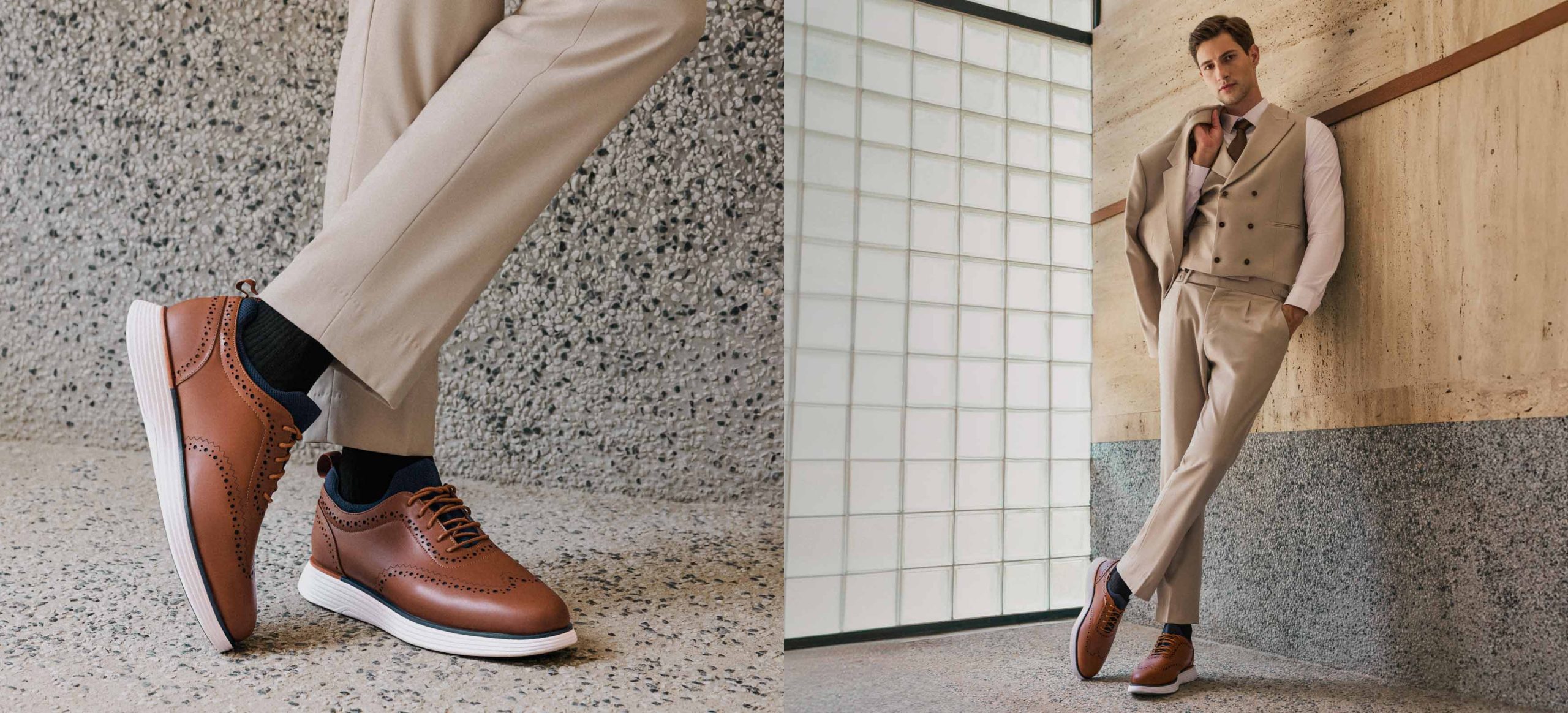
A bad sneaker choice can make a sharp outfit fall apart in seconds. The best sneakers for formal outfits do not scream for attention, copy gym shoes, or fight the shape of your clothes. They work because they stay quiet, clean, and intentional. Across American offices, weddings, dinners, galleries, and business-casual events, the old rule that formal style requires stiff leather shoes is fading fast. Still, that does not mean every sneaker gets a free pass.
The difference comes down to restraint. A sleek leather pair can make tailoring feel current, while a bulky running shoe can make the same blazer feel confused. Think of it the way you would think about a good press feature from a trusted style and lifestyle publication: the message lands better when the presentation feels polished, not loud. Sneakers can belong in dressier spaces, but they have to earn the room.
The real goal is not to “dress down” formal clothing. It is to give refined outfits more ease without losing respect for the setting.
Why Formal Outfits Need Cleaner Sneakers, Not Louder Ones
A formal outfit already carries structure. The jacket has shape, the trousers have a line, the shirt has polish, and the whole look depends on balance. Sneakers only work when they support that structure instead of dragging the outfit into weekend mode.
Dress Sneakers Must Respect the Shape of Tailoring
Tailored clothes create long, clean lines, so your shoes need to continue that language. The best dress sneakers usually have a slim profile, a low ankle, and a smooth upper without heavy panels or aggressive soles. They do not need to be plain, but they should feel controlled.
A navy suit with white leather sneakers can work for a Friday office meeting in Chicago or a relaxed rehearsal dinner in Austin because the shoe shape stays close to a dress shoe. The mistake comes when someone swaps in a thick basketball sneaker and expects the suit to carry it. It cannot. The weight changes the whole read.
A sneaker with a narrow toe box, simple stitching, and minimal branding gives the eye a clean finish. That matters because formal clothing leaves fewer places to hide. When the shoe is wrong, everyone notices it faster than they would with jeans.
Suit Sneakers Work Best When the Outfit Feels Deliberate
Suit sneakers need a reason to be there. They should not feel like the shoes you wore because your loafers were uncomfortable or your dress shoes needed polish. The outfit has to show intent from the jacket down to the hem.
A light gray suit, crisp white shirt, and smooth cream sneaker can feel sharp at a summer networking event in Los Angeles. A black suit, wrinkled shirt, and scuffed sneaker feels unfinished almost anywhere. The shoe did not fail alone. The whole outfit failed to support it.
The counterintuitive part is that sneakers often demand more discipline than dress shoes. Oxfords bring built-in formality. Sneakers ask you to create it yourself through fit, fabric, and grooming. That is why the cleaner pair wins more often than the expensive pair.
How to Choose Sneakers That Match Dress Codes Without Looking Forced
Dress codes in the United States have become looser, but they have not disappeared. A New York creative office, a Miami rooftop dinner, and a Dallas business conference may all accept sneakers in different ways. The smartest move is reading the room before you build the outfit.
Office Sneaker Style Depends on Industry and Finish
Office sneaker style works best when the sneaker looks closer to a dress shoe than athletic gear. Leather, suede, or polished knit uppers tend to land better than mesh runners. White, black, brown, navy, gray, and cream also travel across more settings without creating visual noise.
A tech office in San Francisco may welcome minimalist sneakers with chinos and an unstructured blazer. A finance office in Boston may only tolerate them on casual Friday, and even then, the pair should be spotless. The same shoe can read relaxed in one workplace and careless in another.
Clean condition is nonnegotiable. A sneaker can be modestly priced and still look refined if the laces are fresh, the soles are wiped, and the shape is intact. A costly pair with dirty midsoles sends the wrong message fast.
Smart Casual Shoes Need Texture Control
Smart casual shoes live in the middle zone between dressy and relaxed, and that space can get messy. Texture is where most people lose control. A soft suede sneaker can look excellent with wool trousers, but the same pair may feel weak next to a glossy tux-style jacket.
Texture should create harmony, not competition. Brushed suede works well with flannel trousers, cotton blazers, knit polos, and softer jackets. Smooth leather pairs better with crisp shirting, pressed trousers, and sharper jackets. Canvas can work, but it usually belongs with lighter, less formal outfits.
A good example is a dinner outfit in Nashville: charcoal trousers, a black merino polo, a dark brown suede bomber, and low-profile tan sneakers. Nothing about that outfit pretends to be black tie. Still, it looks grown, clean, and suited to a nice restaurant.
The Best Sneaker Colors for Dressier American Settings
Color decides how much attention your shoes demand. Formal clothing usually works through control, so sneaker color should either blend with the outfit or create one calm contrast. Anything louder needs a strong reason.
White Sneakers Are Safe Only When They Stay Sharp
White sneakers have become the default answer, but they are not magic. They work because they add freshness and clarity, not because they match everything without thought. The cleaner the outfit, the cleaner the white sneaker must be.
A white leather sneaker with a navy blazer and khaki trousers can look relaxed in a polished way. That same sneaker with a dark formal suit can look too bright if the sole is chunky or the leather has a plastic shine. Small details decide the result.
Cream often works better than bright white for older professionals or evening events. It softens the contrast and feels less sporty. That little shift can make sneakers easier to wear with beige, brown, olive, charcoal, and navy clothing.
Black and Brown Sneakers Can Look More Formal Than White
Black sneakers often get ignored because people assume white is the stylish choice. Yet black leather sneakers can be more useful for evening events, winter outfits, and darker tailoring. They create less contrast, which makes the whole outfit feel calmer.
Brown sneakers deserve more credit too. A rich brown leather pair can sit beautifully under navy trousers, camel coats, olive chinos, or tweed jackets. In many American cities, this reads mature without feeling old.
The hidden trap is flat black fabric. It can look cheap under dress clothes, especially when paired with black trousers. Leather or suede gives depth. Without that depth, the sneaker may resemble a work shoe, a school shoe, or a faded casual pair.
Styling Details That Make Sneakers Look Intentional With Formal Clothing
Once the sneaker itself works, the outfit still needs finishing. Hem length, sock choice, fabric weight, and grooming can decide whether the whole look feels stylish or accidental. Dressy sneaker outfits live in the details.
Trouser Break Can Save or Ruin Dress Sneakers
Trouser break matters more with sneakers than most people expect. Too much fabric pooling over the shoe makes the outfit look sloppy. Too little fabric can make the wearer look like they copied a trend without understanding proportion.
A slight break or clean no-break hem usually works best. The trousers should touch the sneaker lightly or stop close enough to show the shoe shape. This keeps the leg line clean and prevents the sneaker from looking trapped under extra cloth.
For American workplaces, cropped trousers need caution. They can look sharp in fashion-forward settings, but they can also look too casual in conservative rooms. A cleaner hem beats a dramatic crop most of the time.
Socks, Belts, and Grooming Carry the Final Message
Socks should not feel like an afterthought. No-show socks work with warm-weather outfits and low sneakers, but they must stay invisible. Fine dress socks work better in cooler months, especially when the color connects to the trousers.
Belts also need to speak the same language as the shoes. A formal black belt with white sneakers may work if the rest of the outfit is sharp, but brown leather sneakers usually want a belt in the same family. Exact matching is not required. Visual agreement is.
Grooming completes the argument. Pressed clothing, clean laces, neat hair, and a tidy watch make sneakers feel chosen. Without those signals, even a great pair of shoes can look like an excuse. The smartest sneakers for formal outfits are never doing the work alone.
Conclusion
Sneakers have earned a place in dressier wardrobes, but they have not erased the need for taste. The best pairs act like quiet partners to tailoring, not loud interruptions. They bring comfort, ease, and modern energy while still showing that you understand the setting.
The safest path is simple: choose clean materials, low profiles, calm colors, and outfits with strong structure. Then check the room. A sneaker that works at a creative dinner may not belong at a formal wedding ceremony, and that judgment is part of good style.
What makes formal outfits feel current today is not breaking every old rule. It is knowing which rules still protect the outfit and which ones can bend without losing class. Start with one refined pair, wear it with your sharpest casual tailoring, and let the details prove the choice was intentional.
Frequently Asked Questions
Can sneakers be worn with a suit to a formal event?
They can work at relaxed formal events, creative gatherings, and modern business functions, but not every event allows them. Choose low-profile leather sneakers in black, white, cream, or brown, and avoid athletic shapes. When the invitation says black tie, dress shoes are still safer.
What color sneakers look best with dress pants?
White, cream, black, brown, navy, and gray usually work best with dress pants. Cream softens sharp contrast, black feels better for evening, and brown pairs well with navy or earth tones. Bright colors are harder to dress up and need stronger styling control.
Are white sneakers professional enough for the office?
White sneakers can look professional in business-casual offices when they are clean, minimal, and paired with pressed clothing. They work best with chinos, tailored trousers, polos, oxford shirts, and blazers. Scuffed soles or sporty designs make them feel too casual fast.
What type of sneakers should men wear with blazers?
Men should choose slim leather or suede sneakers with minimal branding, clean soles, and a low-cut shape. Blazers already bring structure, so bulky athletic sneakers usually fight the outfit. A simple white, black, brown, or navy pair works across more blazer combinations.
Can women wear sneakers with formal office outfits?
Yes, women can wear polished sneakers with tailored trousers, midi skirts, blazers, shirt dresses, and structured separates. The key is choosing refined materials and keeping the rest of the outfit crisp. Sleek leather sneakers often look more office-ready than chunky fashion sneakers.
Do sneakers look good with dress shirts?
Sneakers can look good with dress shirts when the shirt is styled with smart trousers, a clean belt, and a neat jacket or overshirt. The shirt should be pressed, and the sneakers should be simple. Athletic trainers usually make the pairing feel mismatched.
How do you make sneakers look less casual?
Keep them spotless, choose leather or suede, avoid oversized logos, and pair them with tailored clothes. Trouser length also matters. A clean hem lets the shoe look intentional, while baggy fabric makes the outfit feel unfinished.
Are black sneakers better than white sneakers for formal looks?
Black sneakers often work better for evening, winter, and darker outfits because they create less contrast. White sneakers feel fresher during daytime and warmer months. The better choice depends on the outfit, setting, and how much attention you want the shoes to draw.