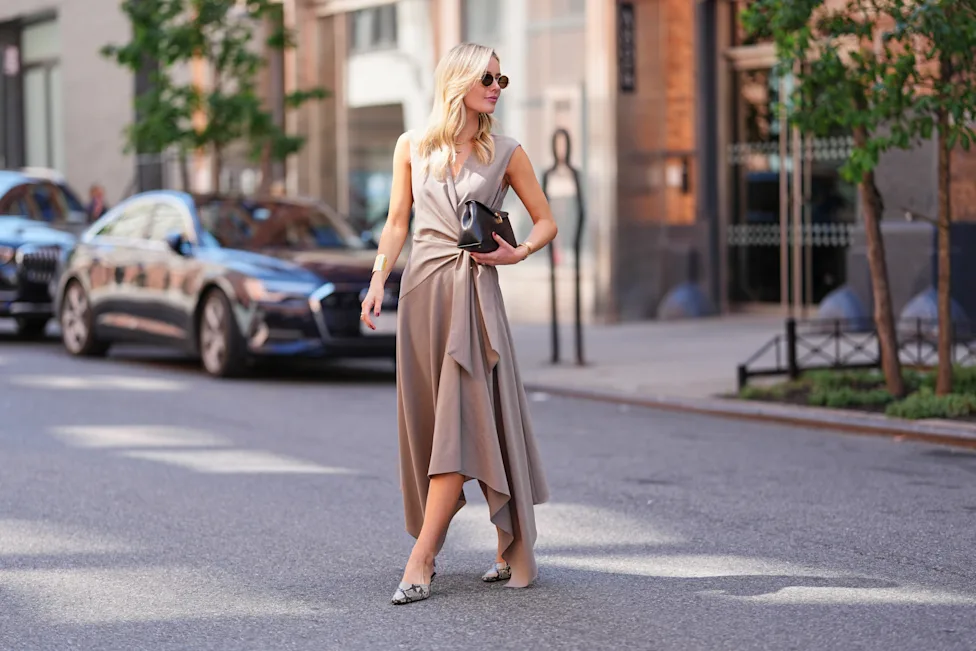
Some dresses ask your body to cooperate before they ever earn space in your closet. Wrap Dresses do the opposite when the cut, tie, fabric, and neckline work with your shape instead of fighting it. That is why women across the USA keep returning to them for workdays, brunch plans, weddings, travel, and those normal mornings when getting dressed should not feel like a negotiation. A good wrap style can sharpen a waist, soften a midsection, lengthen a shorter frame, and give fuller curves room without turning the outfit shapeless. The trick is not buying the first pretty print on a rack. The trick is knowing which details matter. Petite women often need cleaner lines and smarter hem placement. Women with curvy figures need fabric that follows the body without clinging in the wrong places. Anyone building a smarter wardrobe can find practical style guidance through modern fashion resources that focus on clothing choices women can use in real life, not only in staged photos.
Why Wrap Dresses Work Across Different Body Shapes
A dress that flatters more than one body type needs design tension. It has to define without squeezing, skim without hiding, and move without adding bulk. That balance is the reason the wrap style keeps surviving every trend cycle while louder pieces come and go.
How the Adjustable Waist Changes Everything
The waist tie is the quiet power move. A fixed-waist dress decides where your waist should be, and that can punish petite frames or cut across curvy figures in the wrong place. A wrap design lets you shift the tie slightly higher, lower, tighter, or looser until the proportions make sense on your actual body.
For petite women, placing the tie a touch above the natural waist can make the legs look longer. A woman in Chicago wearing a midi wrap dress with ankle boots, for example, may find that a higher tie keeps the outfit from dragging her down. That small adjustment can do more than a taller heel.
Curvy figures benefit from the same freedom for a different reason. A tie that lands at the narrowest part of the torso gives shape without forcing the dress to pull across the hips or bust. The best fit looks intentional from the front and comfortable from the side.
Why the Diagonal Line Is More Powerful Than It Looks
The diagonal front line does a lot of visual work. It breaks up the body in a softer way than a straight seam, which can make the outfit feel less boxy. On petite fashion looks, that diagonal movement helps guide the eye upward and creates length without relying on a short hem.
Curvy women get a different advantage from the same design. A diagonal line can reduce the heavy, blocky effect that happens when fabric sits flat across the stomach or hips. It gives the body motion, even when the dress itself is simple.
This is why a plain black wrap dress can sometimes look better than a busier trend piece. The shape carries the outfit. When the dress has the right line, you do not need loud styling to make it feel finished.
Choosing the Right Wrap Dresses for Proportion and Comfort
Wrap Dresses become far more flattering when the fabric and cut match your daily life. A dress that looks beautiful on a hanger can still fail if it gaps at the bust, rides up when you sit, or pools around the calves. Fit is not vanity. It is function.
What Length Works Best for Petite Women?
Petite women often hear that shorter is always better, but that advice is too lazy. A knee-length dress can work, yet a midi can look polished if the hem lands at the right place. The danger zone is a hem that cuts at the widest part of the calf, because it can shorten the leg fast.
A better choice is a hem that lands slightly above the knee, just below the knee, or lower on the calf where the leg narrows again. A petite woman heading to a summer office lunch in Dallas could wear a soft midi wrap with pointed flats and still look balanced if the hem stops cleanly.
Print scale matters too. Tiny florals can feel sweet, but they may look busy. Huge prints can swallow a smaller frame. Medium-scale patterns, vertical spacing, and solid colors often give petite fashion outfits a cleaner finish.
What Details Help Curvy Figures Feel Supported?
Curvy figures need the dress to respect movement. A flimsy wrap can look fine while standing and then shift the second you walk, sit, or reach for a bag. That is when women start tugging at necklines and holding the skirt closed in parking lots. No one has time for that.
Look for inner ties, secure side openings, and fabric with enough weight to fall smoothly. Jersey, matte knit, crepe, and soft woven blends often behave better than thin, slippery fabric. A slightly wider waist tie can also help because it spreads pressure across the waist instead of digging into one narrow line.
The bust area deserves extra attention. A true wrap neckline can be beautiful, but it should not gap open every time you move. Some women prefer a snap, hidden stitch, camisole, or wrap-style dress with a fixed modesty panel. Comfort should not be treated like a compromise.
Styling Tricks That Make the Dress Look Intentional
A flattering dress can still fall flat if the styling fights it. Shoes, jewelry, layers, and bags all change how the body reads. The goal is not to add more. The goal is to add the right amount in the right place.
Which Shoes Create the Cleanest Line?
Shoes decide where the outfit ends. Petite women often get the strongest result from pointed flats, low block heels, slingbacks, or simple sandals that do not chop the ankle. A nude shoe close to your skin tone can lengthen the leg, but a sharp black shoe can work too when the dress has dark tones.
Curvy figures can use shoes to balance volume. A thicker heel, sleek boot, or structured sandal can ground the outfit without making it feel heavy. For example, a curvy woman wearing a navy wrap dress to a New York dinner might choose a block-heel mule instead of a delicate strappy heel. The outfit feels steadier.
Sneakers can work, but the dress has to support that casual mood. A cotton wrap dress with clean white sneakers looks easy. A silky formal wrap with chunky sneakers may look confused unless the styling is deliberate.
How Accessories Shape the Final Outfit
Accessories should follow the line of the dress, not compete with it. A V-neck wrap often pairs well with a small pendant, slim hoops, or a collarbone-length chain. Heavy necklaces can crowd the neckline and weaken the shape that makes flattering dresses work in the first place.
Belts require caution. Since the dress already has a tie, adding another belt can create bulk around the waist. A better move is to choose a dress with a tie that already looks polished. Long ties can hang vertically and add length, while short bulky bows can widen the waist.
Layering can change everything. A cropped jacket helps petite women keep the waist visible. A long open cardigan can work for curvy figures when it falls straight and does not cling. The wrong layer hides the best part of the dress, so the mirror should decide.
Buying Smarter So the Dress Lasts Beyond One Season
Fast trends can make every dress look urgent for five minutes. A good wrap dress should outlive that rush. The right one earns repeat wear because it fits your body, your schedule, and the places you actually go.
What Fabric Feels Best for Real Life?
Fabric controls whether the dress behaves after three hours. Thin rayon can feel lovely at first, then wrinkle hard after a commute. Cheap polyester can trap heat, which matters for women living in warmer states like Florida, Texas, Arizona, and Georgia. A dress that looks good but feels annoying will stay in the closet.
Matte fabrics usually look more refined than shiny ones. They photograph better, skim better, and move from day to night with fewer styling changes. A matte knit wrap can handle school drop-off, office hours, and dinner without looking like three different outfits were needed.
Stretch matters, but too much stretch can backfire. A dress with recovery keeps its shape. A dress that stretches out at the waist or seat loses polish by lunch. Check how the fabric bounces back when pulled gently. That tiny test tells the truth.
Which Colors and Prints Stay Useful Longer?
Solid colors are the safest investment, but safe does not have to mean dull. Navy, olive, burgundy, chocolate, charcoal, cream, and black can all feel rich when the cut is right. These shades also make curvy figures feel cleanly framed and help petite women avoid visual clutter.
Prints should match the job of the dress. A small dot, soft floral, or subtle geometric print can work for weekends and offices. Loud seasonal patterns may feel fun once and tired by the third wear. That is the hidden cost of buying for the moment instead of the wardrobe.
One unexpected trick is to buy the dress for your hardest setting, not your easiest one. If it works for a work lunch, family event, or casual wedding, you can dress it down later. Buying only for a relaxed Saturday often leaves you with a dress that cannot stretch into better occasions.
Conclusion
Great style does not come from forcing your body into a trend. It comes from choosing clothes that understand proportion, movement, and confidence before they ask for attention. That is why a wrap dress has earned its place in so many American closets. It can be practical without looking plain, feminine without feeling fussy, and polished without demanding a perfect body. The best Wrap Dresses are not magic, though. They are smart design meeting honest fit. Petite women should watch hem length, tie placement, and print scale. Women with curvy figures should look for secure closures, supportive fabric, and a waistline that shapes without pinching. When those details come together, the result feels easy in the best way. Before buying another dress that only works from one angle, try one that moves with you, adjusts to you, and makes getting dressed feel less like a test and more like a choice you control.
Frequently Asked Questions
Are wrap dresses good for petite women with short legs?
Yes, especially when the waist tie sits slightly higher and the hem avoids the widest part of the calf. Petite women usually look taller in wrap styles with clean necklines, smaller prints, and shoes that keep the leg line open.
What wrap dress style is best for curvy figures?
A true wrap or secure faux-wrap style with medium-weight fabric works best. Look for inner ties, a stable neckline, and fabric that skims the hips without clinging. A wider waist tie can also create smoother shaping.
How do I stop a wrap dress from gaping at the bust?
Choose a dress with better bust coverage, hidden snaps, an inner modesty panel, or enough fabric overlap. A small fashion tape strip can help for one event, but daily wear needs a neckline that fits without constant fixing.
Can curvy women wear printed wrap dresses?
Yes, prints can look beautiful when the scale fits the body. Medium prints often work better than tiny crowded patterns or huge designs. A print with some open space can soften the look without adding visual weight.
What shoes look best with wrap dresses for petites?
Pointed flats, slingbacks, low block heels, and simple sandals usually work well. The key is avoiding heavy ankle straps that cut the leg line. A shoe with a clean front can make the whole outfit look longer.
Are faux-wrap dresses as flattering as true wrap dresses?
They can be, especially when the waist and neckline are well placed. Faux-wrap styles are often easier for work, travel, and windy days because they stay closed. The downside is less adjustability around the waist.
What length wrap dress is most flattering for curvy figures?
Knee-length, just-below-knee, and lower-calf midi lengths often work well. The best choice depends on height, shoe style, and fabric movement. A hem that lands where the leg narrows usually creates the cleanest shape.
How should I style a wrap dress for work?
Choose a matte fabric, a modest neckline, and a print or solid color that feels polished. Add closed-toe shoes, simple earrings, and a cropped jacket or structured cardigan. Keep the waist visible so the dress does not lose shape.